
The Hidden Financial & Brand Cost of Traditional Swag
Branded pens, cheap power banks, and generic gift hampers are still common B2B purchases, but their return is difficult to defend when a program records only units ordered and delivered. If recipients do not engage, respond or remember the gesture, the team cannot distinguish relationship-building value from simple fulfilment cost.
The cost is also reputational. In a buyer environment shaped by sustainability-conscious procurement, teams may also need to document materials, origin, packaging and fulfilment. That does not make every nature-themed gift an ESG contribution. It does make traceability and accurate claims useful selection criteria. A better planning question is: what evidence would make this program defensible in a budget review?

How to Measure the True ROI of Sustainable Gifting (The 3 Pillars)
Modern B2B gifting ROI cannot be reduced to a single number. The most rigorous procurement, marketing, and sustainability teams now measure it across three pillars — each tied to a budget owner and a board-level metric.
Recipient Engagement
Measure whether the gift reached the intended person and prompted a meaningful action. Useful signals include activation, page visits, replies, thank-you messages, shared content and follow-up conversations. These are leading indicators, not proof of revenue, but they show whether the program created attention.
Account Outcomes
Track the business outcome the program was designed to influence: a qualified meeting, an opportunity moving forward, renewal engagement, a referral or an expanded relationship. Use a comparison period or control group where practical, and avoid attributing an entire sale to the gift alone.
Cost and Brand Fit
Calculate the full cost per delivered and engaged recipient, including fulfilment and team time. Then assess whether the gift reflects the sender's standards and gives recipients an appropriate story to remember. Brand fit can be measured through short feedback, response quality and qualitative account-team notes.
A Measurement Plan Finance and Sales Can Audit
Decide what success means before selecting the gift. A client-retention program, an employee-recognition program and an event follow-up campaign need different audiences, permissions and outcome measures. Without that distinction, teams often count delivery as engagement and correlation as revenue impact.
| Stage | Measure | Interpretation |
|---|---|---|
| Delivery | Valid address, acceptance, failed or returned gifts | Operational reach, not recipient engagement |
| Activation | Certificate or experience claimed with consent | The recipient chose to enter the experience |
| Engagement | Approved page visits, replies, update views or feedback | Attention and relevance, not automatic revenue |
| Relationship | Qualified conversations, meetings, referrals or renewal activity | Commercial influence that still requires contextual attribution |
| Efficiency | Total program cost per delivered and engaged recipient | Comparable economics including fulfilment and staff time |
Where the audience is large enough, compare results with a previous program, a holdout group or similar accounts that did not receive the gift. Document other activity occurring at the same time. A gift can contribute to a relationship without deserving credit for the whole sale.
What Companies Can Responsibly Claim About a Hive Gift
A nature-connected gift is not automatically an environmental impact program. Supporting a managed apiary, educating recipients about a beekeeper and restoring biodiversity are distinct claims with different evidence requirements.
The US Federal Trade Commission's Green Guides summary advises marketers not to make broad, unqualified claims such as "green" or "eco-friendly" and says qualifications should be clear, prominent and specific. EU consumer rules are also tightening the treatment of environmental representations; the European Commission's sustainable-consumption overview describes Directive (EU) 2024/825 and its green-transition consumer protections.
More defensible language
- Our company sponsors a named-hive experience at Le Gusciane.
- The program supports an apiary relationship described in our agreement.
- Recipients can access the specified certificate and seasonal content.
- Honey is supplied according to package, harvest and fulfilment conditions.
Claims requiring stronger evidence
- We restored biodiversity.
- We saved a stated number of bees or colonies.
- Every jar came exclusively from our exact hive.
- The gift is carbon-neutral, zero-waste or environmentally harmless.
Managed honey bees are only one part of pollinator health. Habitat, forage, wild pollinators, pesticide exposure and local land management matter too. The Pollinator Partnership's Business for Bees illustrates the broader conservation context companies should understand before presenting hive patronage as a biodiversity outcome.
The Corporate Hive-Gifting Procurement Checklist
Procurement should evaluate the complete program, not only the story or per-recipient price. Use the following questions in the request for proposal and require material answers in the final scope.
What exactly is included, optional, conditional or subject to seasonal availability?
Who owns and manages the physical hives, and is patronage shared or exclusive?
Which environmental claims can the provider document, and what are the limits?
What is the apiary and honey provenance, including whether honey is single-hive or single-apiary?
How are recipient names, addresses, dietary information and activation data handled?
Can recipients decline, redirect or donate a gift before physical fulfilment?
Does the program accommodate accessibility, allergies, dietary restrictions and non-digital recipients?
What happens after failed delivery, poor harvest, cancellation or supplier disruption?
Which assets may the company reuse, for how long and with what approval process?
How will delivery, activation, engagement and account outcomes be reported?
Respect Recipient Gift Policies and Consent
Some recipients cannot accept gifts, have strict value thresholds or must record them in a register. Public-sector employees, regulated professionals and procurement decision-makers may face especially restrictive rules. A gift should never appear to purchase influence or place the recipient under an obligation.
Before sending, verify the recipient organization's policy, the relevant jurisdiction, the timing in relation to an active tender or negotiation and whether pre-acceptance is required. The UK government's anti-bribery guidance identifies gifts, hospitality and conflicts of interest as matters an organizational anti-bribery policy should address. Equivalent local advice and qualified counsel should guide the actual program.
A consent-first workflow is generally stronger than sending food and collecting an address without warning. Offer a clear description, a decline option and alternatives for recipients who cannot accept honey, do not consume it or prefer not to share delivery details.
B2B Gifting Comparison: Generic Swag vs. a Named-Hive Program
| Metric | Generic Corporate Swag | BeePatron Corporate Hive |
|---|---|---|
| Engagement Duration | Often designed around one delivery moment | Can create several seasonal touchpoints when updates are available |
| Environmental Claim | Requires evidence about materials, packaging, origin and disposal | Can accurately describe apiary patronage; broader biodiversity claims need separate evidence |
| Evidence Available | Often limited to delivery confirmation | Named apiary context, updates and gifting assets |
| Perceived Value | Depends on quality, usefulness and recipient fit | A personalized named-hive story with provenance and gifting context |
Where a BeePatron Corporate Program Can Fit
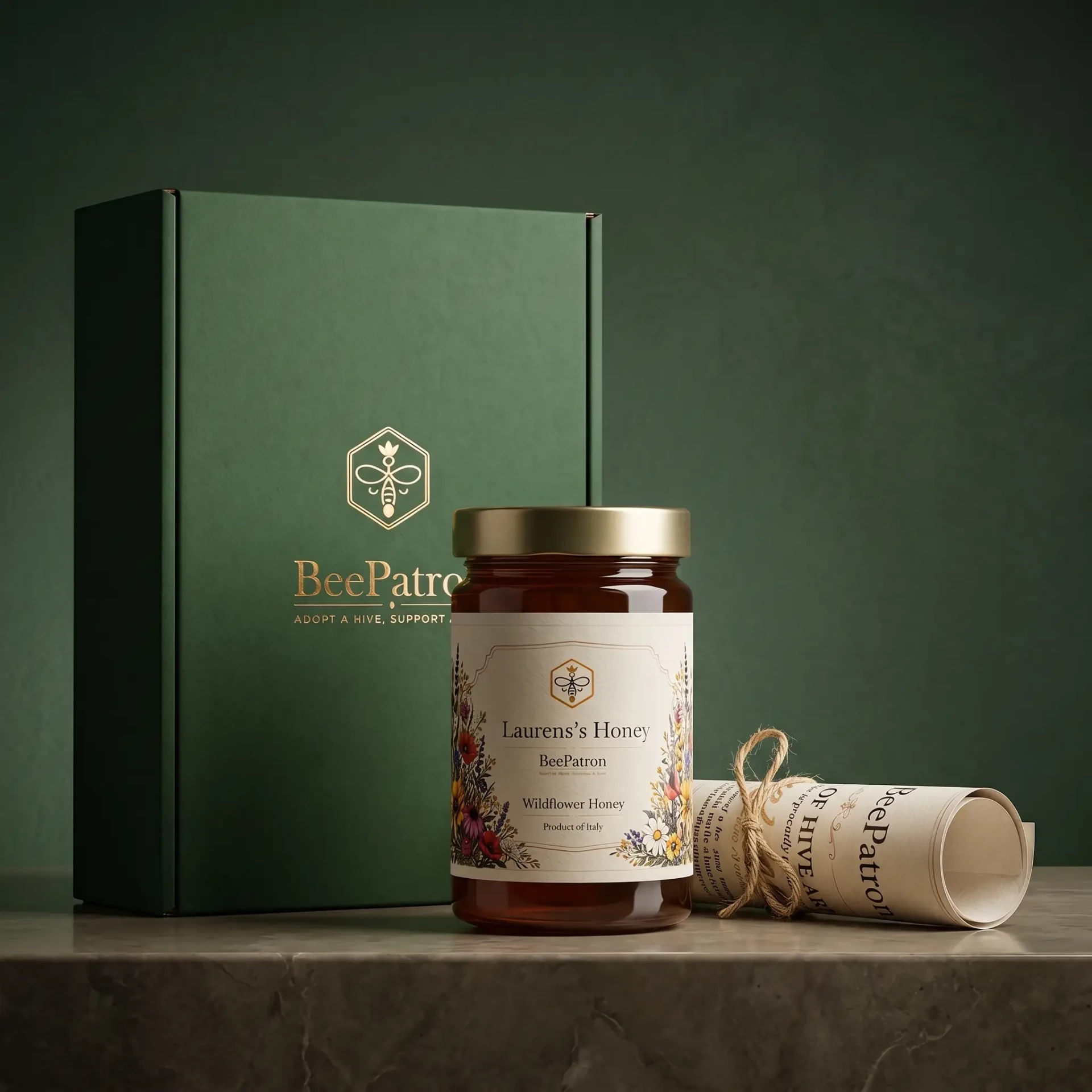
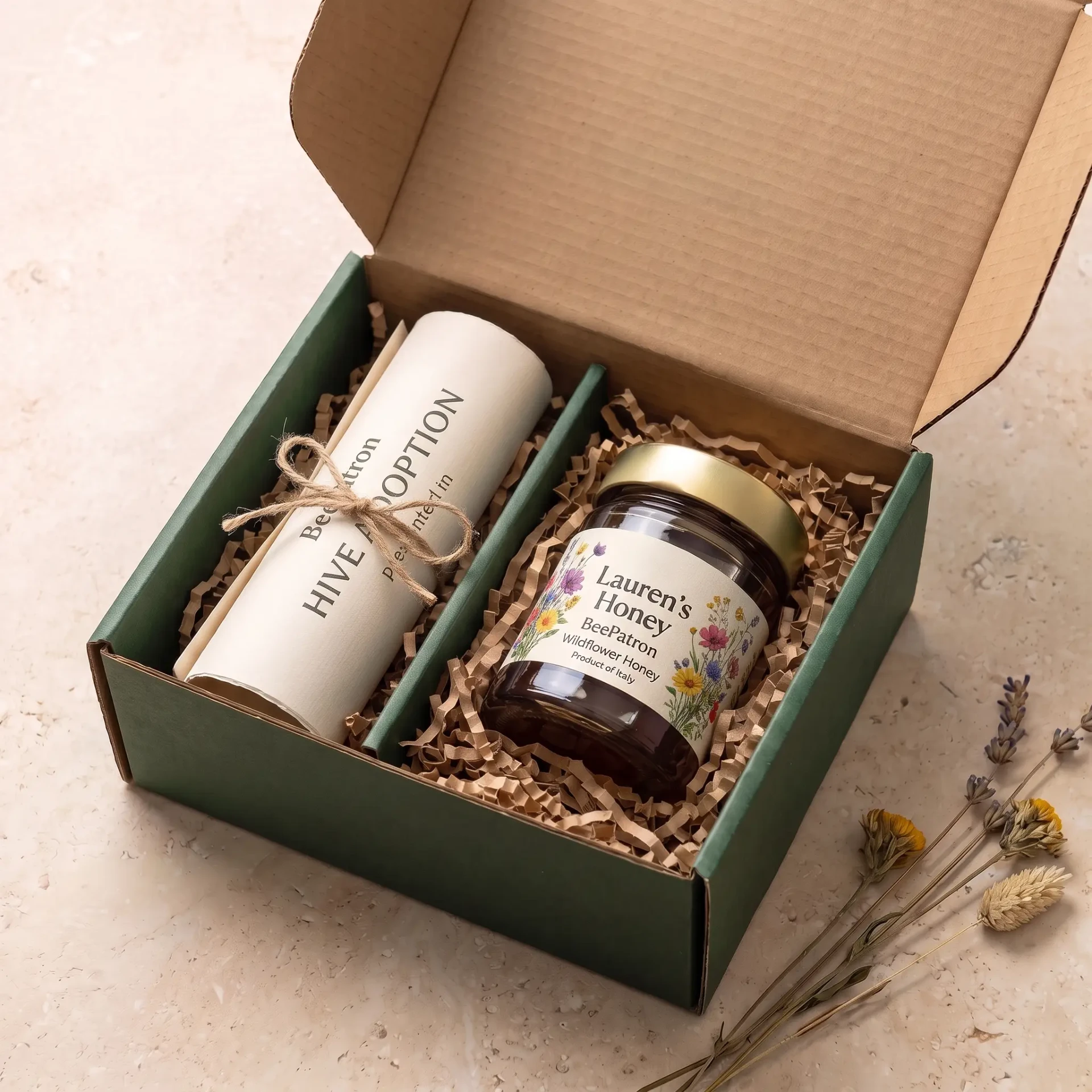
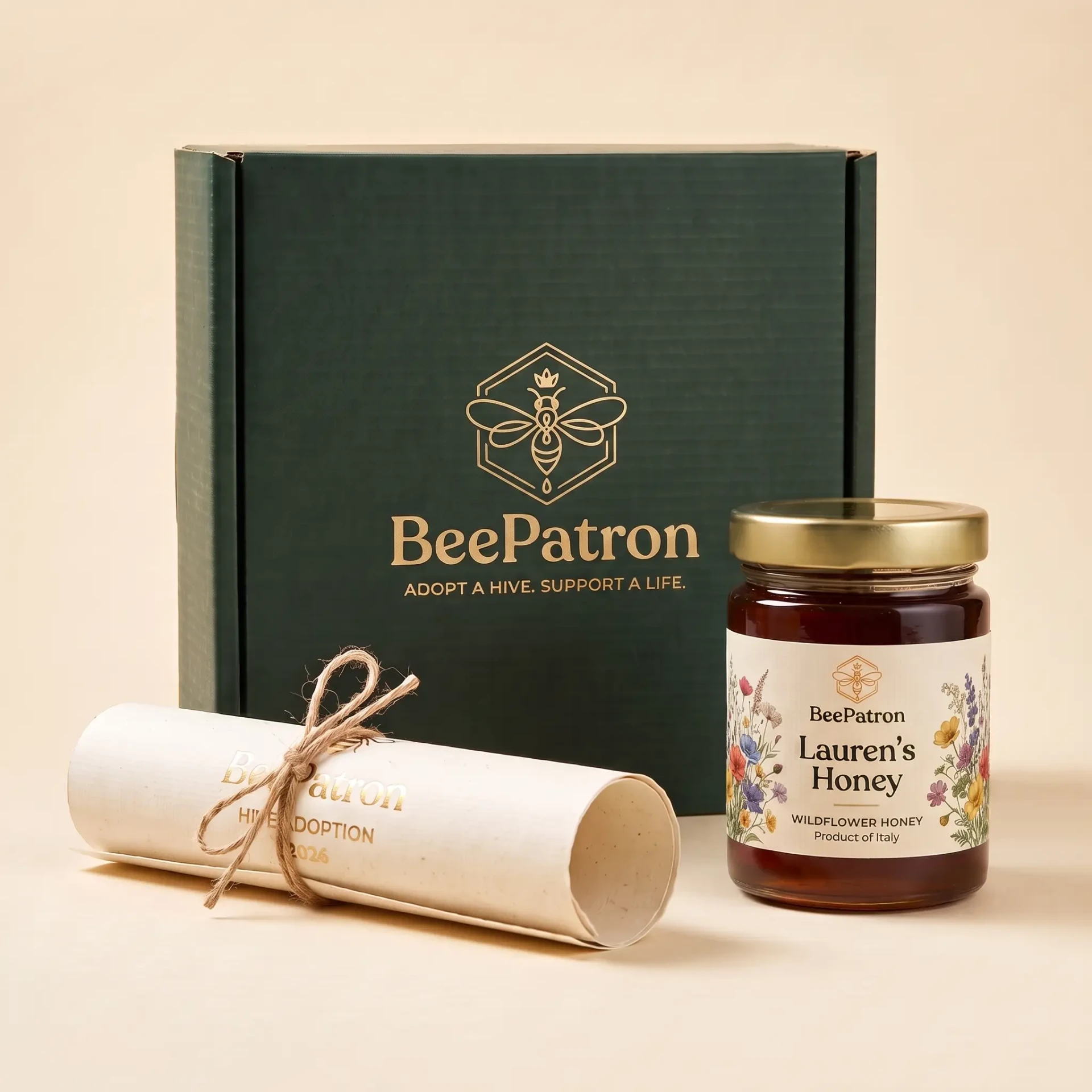
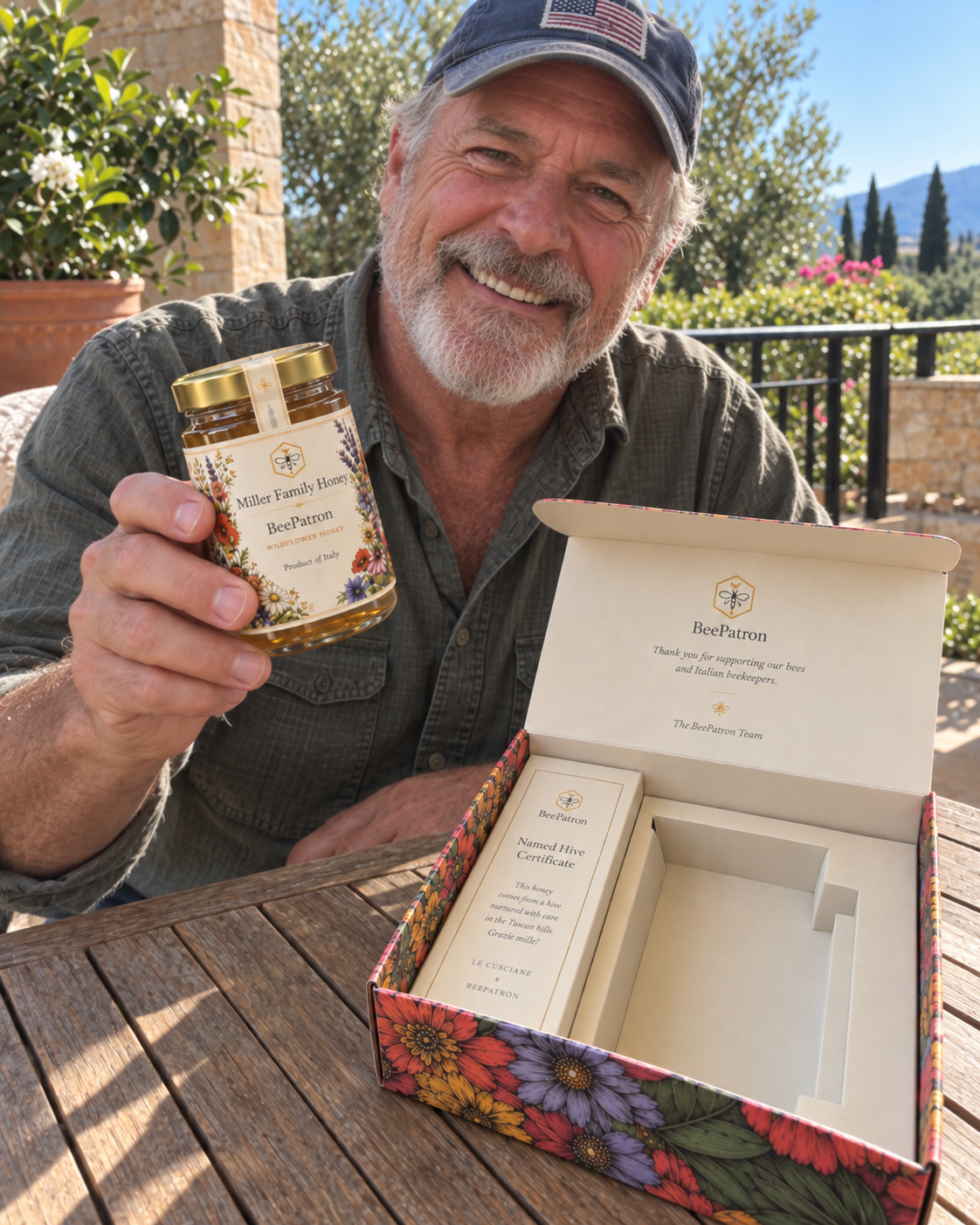
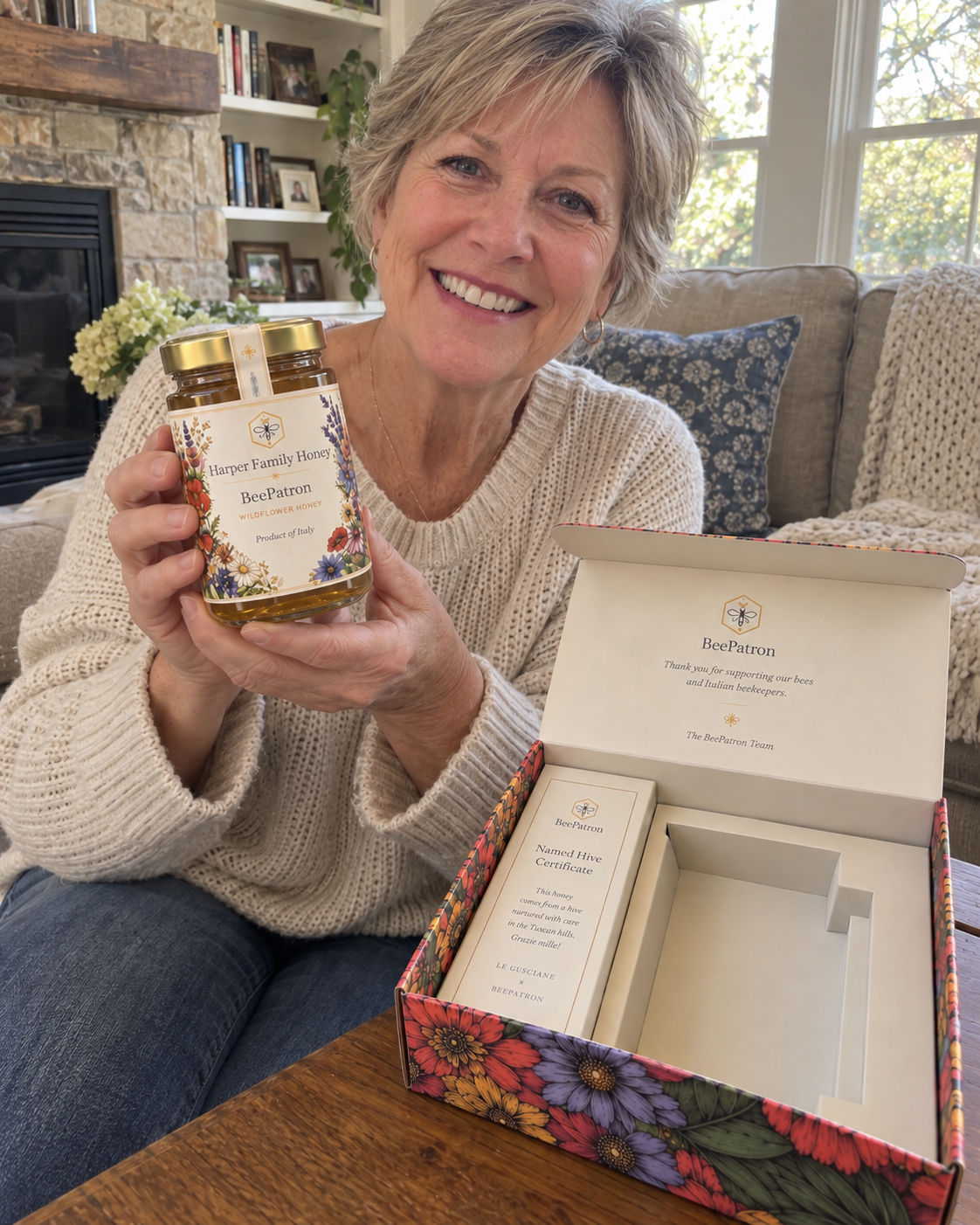
A named-hive program can support client gifting, employee recognition and brand storytelling through one seasonal experience. Its value should still be measured against the stated objective rather than assumed. Depending on the agreed scope, BeePatron can provide named-hive patronage, branded materials, approved seasonal content and honey gifting according to package and harvest conditions.
Procurement teams can review the underlying model in our transparent hive-patronage guide and verify the distinction between named-hive, single-apiary and regional honey in the 2026 Tuscan honey provenance guide.
A Seasonal Digital Experience
- Corporate impact page
- Seasonal beekeeper updates
- Approved apiary stories and imagery
The Welcome Kit Box
- Branded certificates
- Team and client gifting options
The Harvest Delivery
- Branded honey gift boxes according to the agreed package and harvest

Frequently Asked Questions
What is the average ROI of corporate gifting?
There is no credible single industry-wide ROI figure for corporate gifting. Measure a program against a defined objective using recipient engagement, qualified follow-up conversations, account progression, renewal influence, referrals, and cost per engaged recipient. Compare those results with a control group or the company's previous gifting program where possible.
Can sustainable gifts be written off as corporate expenses?
Tax treatment depends on the jurisdiction, recipient, amount, business purpose, and documentation. Companies should record the purpose and recipient of each gift and ask a qualified tax adviser which local limits and rules apply. A sustainability theme does not automatically make a gift deductible or suitable for formal ESG reporting.
How does the BeePatron Corporate Tier work for teams?
BeePatron corporate programs are scoped around the audience, objective, number of recipients and selected deliverables. Depending on the agreed package, available elements can include named-hive patronage, a corporate impact page, certificates, honey gifting, approved seasonal updates and story assets. Current pricing and inclusions should be confirmed in the proposal rather than inferred from an article.
Can a company call a hive gift eco-friendly or sustainable?
Only with care. Broad environmental benefit claims can imply more than the evidence supports. Describe the specific, documented attributes of the program and qualify important limits instead of treating a nature theme, hive sponsorship or certificate as proof of an overall environmental benefit.
Does sponsoring a honey-bee hive count as biodiversity restoration?
Not automatically. Managed-hive patronage can support an apiary and create pollinator education, but biodiversity restoration is a broader outcome involving habitat, forage, wild pollinators, land management and measurement. Claim only the outcomes the program can document.
What should procurement request from a corporate gifting provider?
Request current pricing and scope, origin and fulfilment details, evidence for environmental claims, data-handling terms, accessibility options, recipient-consent workflows, gift-policy compatibility, cancellation remedies and a clear measurement plan.