
Christmas Gifts for Gardeners
Christmas Gifts for Gardeners: 12 Nature-Inspired Ideas
Twelve gifts for people who enjoy growing and observing, with practical checks for climate, space and skill. Choose something that belongs in their kind of garden.
Quick answer
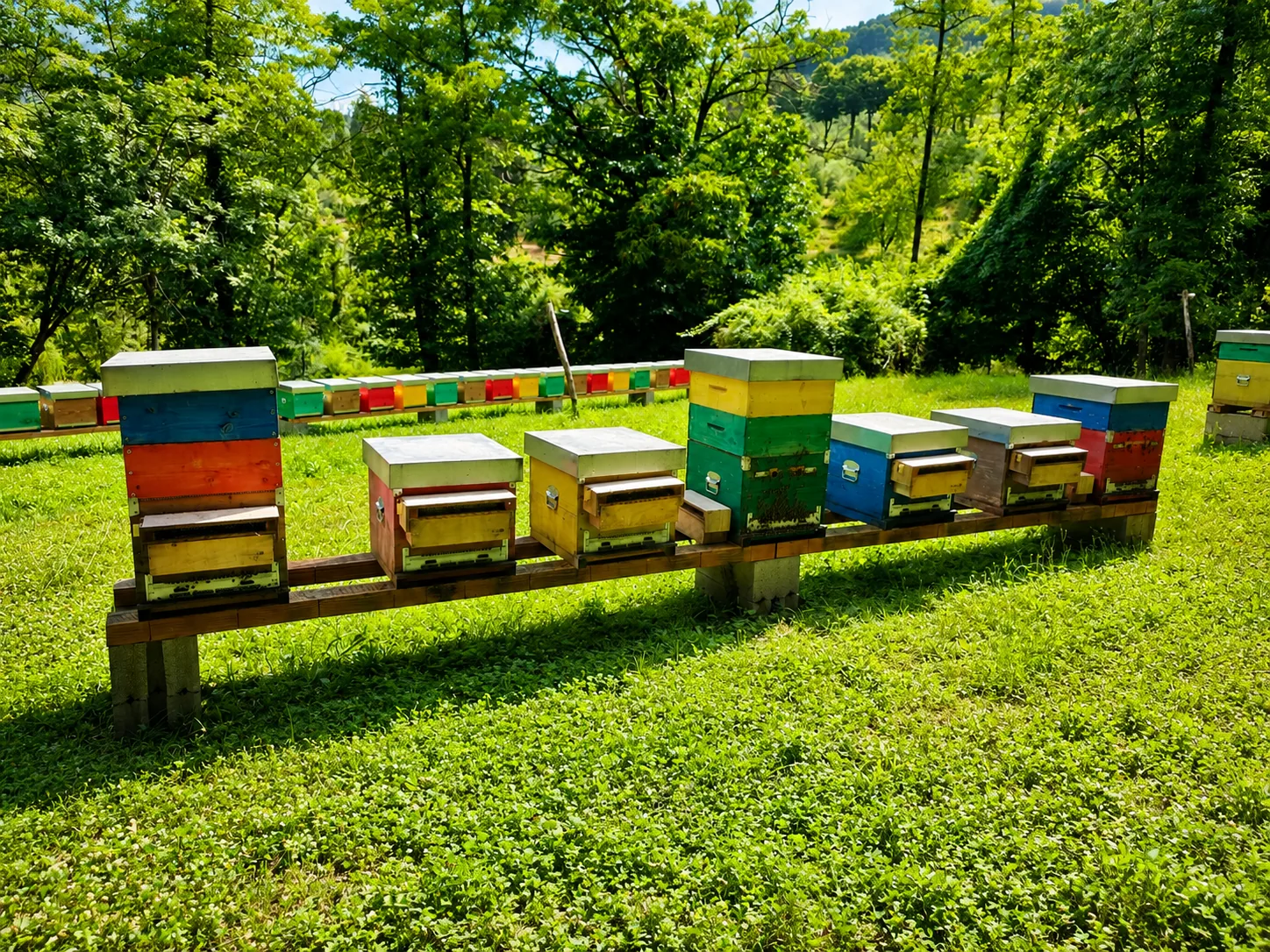
The most useful Christmas gifts for gardeners fit their space, local growing conditions and experience. Consider a finished garden journal, a requested tool, region-appropriate seed choices, a spring outing or a BeePatron hive journey in Tuscany. Check plant requirements and avoid giving an experienced gardener equipment or maintenance they did not want.
| Their kind of gardening | A promising gift | Check before buying |
|---|---|---|
| A balcony or patio | A compact journal, a fitting hand tool or a garden outing | Storage, container size and how much extra care they want. |
| Pollinator planting | Locally suitable plants or a native-plant learning experience | Regional suitability, light, soil and flowering period. |
| Winter projects | A seed-planning kit or suitable winter-sowing supplies | The actual species instructions and local conditions. |
| An established garden | Tool maintenance or a specific requested upgrade | Their preferred fit, model and way of working. |
| Curiosity about bees and food | A named Tuscan hive experience | Interest in the seasonal story, package benefits and honey timing. |
Write a garden brief before you buy
A gardener with a few sunny pots has different needs from someone managing a large established plot. Start with the space, what they grow and the kind of work they enjoy. A photograph of the garden or one recent conversation can be more useful than a list of popular gardening products.
For plants, check local climate as well as light, soil, water and available space. The USDA Plant Hardiness Zone Map describes winter cold conditions; a zone number alone does not tell you whether a particular spot will suit a plant. When you are uncertain, give the recipient a well-chosen opportunity to select for themselves.
Research and references
1. A garden journal with their garden already inside
Begin the journal with a simple sketch, photographs or a list of plants they have mentioned. Add pages for sowing dates, first flowers and observations. A few thoughtful starting details make it feel connected with their garden rather than another blank notebook.
Keep the format easy to use outdoors or at a kitchen table. Avoid creating a system so elaborate that recording becomes a chore. You can add a small invitation to compare notes together when spring arrives, while leaving them free to use the journal in their own way.
2. A named-hive journey at a Tuscan apiary
BeePatron can suit a gardener who is curious about bees, flowering and the story behind honey. The experience connects the recipient with a named hive and seasonal context from the Le Gusciane apiary in Tuscany. It is something to follow while their own garden moves through its year.
Treat it as an experience supporting managed beekeeping. It does not replace habitat work for wild pollinators in the recipient’s own area or establish a measured conservation result. Patronage does not transfer legal ownership; the honey benefits follow the package, harvest and season.
3. A small seed selection chosen for their conditions
Choose a few varieties that fit the recipient’s space and plans, rather than a large mystery assortment. Include the names, growing instructions and a note about why each belongs in their garden. Check whether they enjoy starting from seed before buying.
For a pollinator-themed gift, ask a local nursery or extension service about suitable regional species. A label saying “wildflower” does not by itself tell you where the plants belong. If you cannot verify suitability, give a plant-shopping plan or credit toward choices they make themselves.
4. A winter-sowing project for someone who wants one
Winter sowing can be an engaging cold-season project for a gardener who likes growing from seed. University of Minnesota Extension describes using outdoor containers to start suitable species, including plants whose seeds need a cold period. The method and timing depend on what is being grown and the local climate.
Give clean containers, labels and the supplies needed for the chosen seeds, with their actual instructions. Avoid treating every packet alike or assuming the gardener wants seedlings to manage. A compact, clearly explained project makes a better gift than a box of materials with the research left to them.
Research and references
5. One hand tool they have specifically wanted
Experienced gardeners often have strong preferences about handles, weight and balance. Choose the tool they have identified, or arrange a visit where they can try the fit. The precision of the choice is part of its value.
Check the task, dominant hand where relevant, storage and maintenance. A smaller tool that feels good in use can be a better choice than a large decorative set. Keep the exchange option available so the gardener can adjust the gift without feeling ungrateful.
6. A tool-care gift with an agreed scope
Cleaning, sharpening or repairing a favorite tool can be useful when the gardener has asked for it. Confirm which items can be worked on and whether the maker has care guidance. Let a suitable professional handle work beyond your skills.
You can pair the service with a simple care kit that matches their tools. Keep everything labeled and return it ready for use. The gift is preserving equipment they value, so avoid replacing parts, removing finishes or reorganizing their setup without permission.
7. A spring plant-shopping afternoon
A planned nursery visit gives the gardener freedom to choose while keeping the gift personal. Offer to drive, carry plants and help with a task they select. A Christmas card can explain the budget and suggest a few flexible dates.
Agree what is included before the outing, including whether delivery or planting help is part of your offer. This works well for someone who knows their garden closely and would prefer to inspect plants themselves instead of receiving a surprise specimen in December.
8. A regionally useful gardening book or learning session
Choose information for the place and type of gardening they actually do. A book on local plant communities, container growing or a technique they want to learn may be more useful than a beautiful general volume they already own.
Check the contents, skill level and publication details. For a course, review the date, location, materials and whether questions are part of the session. Write the personal connection in your card: the plant they keep asking about or the new bed they are planning.
9. A modest kit for closer observation
A hand lens, a familiar-format field guide and a notebook can make a small garden feel full of discoveries. Choose a few good components that fit their interests, such as flowers, insects or changes through the seasons.
Keep the gift focused on observation rather than equipment to master. Add a page with a few open prompts: what is flowering, who is visiting and what changed since last week? The aim is giving them another reason to linger in a place they already enjoy.
10. A garden visit with the practical details checked
Choose a garden whose planting, setting or history would interest them. Give a flexible plan, with time for notes, photographs and sitting down. If you are going together, leave room for the gardener to explore at their own pace.
Check seasonal opening, accessibility, travel and any restrictions on photography or plant sales. A winter card can introduce a spring or summer outing without pretending that the whole experience has to happen during the holiday week.
11. A comfort upgrade they can try or approve
A kneeling option, gloves, a lightweight carry bag or a suitable garden seat can be welcome when it fits the gardener’s way of working. Ask about the need first. Useful equipment should respond to something they want, without making assumptions about their age or abilities.
Check dimensions, weight, grip and where it will be stored. Avoid describing a product as solving pain or a medical problem. Keep the gift centered on comfort and convenience, with a straightforward exchange if the fit is wrong.
12. A personal planting-plan session
Offer to help map what is already growing and what the gardener wants to change. Start with their aims: more color at a particular time, fewer pots to water or a small place to watch visitors to the garden. Record the plan in a format they can revisit.
If pollinators are part of the goal, use local guidance to choose plants and think about flowering across the growing season. You can make the Christmas gift the time and research involved, while leaving purchases and permanent changes for the gardener to approve.
Give a pollinator-themed gift a local purpose
Flowers provide nectar and pollen, while pollinators also need suitable places to live. University of Minnesota Extension’s bee-campus guidance describes resources such as undisturbed ground, stems and deadwood alongside flowering plants. The appropriate choices still depend on the garden and its region.
A useful local gift might therefore be a planting consultation, a suitable plant selection or help keeping an agreed area less disturbed. A BeePatron gift adds a separate connection with an apiary in Tuscany. Explain which part of the story you are giving instead of presenting all bee-related gifts as interchangeable.
Research and references
Make the Christmas reveal ready for the next season
If the gift happens later, give it a clear form now: a dated invitation, a completed plan, the chosen supplies or a card explaining the experience. Write what is included and what the recipient can choose. That makes a future activity feel concrete.
For BeePatron, use the digital delivery choices shown at checkout and let the recipient select their hive after activation. Confirm any date-sensitive physical shipment before ordering. You can explain the Christmas gift as the beginning of an apiary story, with honey following the current package and fulfillment schedule.
Write a note that recognizes their attention
Try: “You notice the first flower and the smallest visitor long before the rest of us. I wanted to give you another little world to follow.” Add the name of their garden, a plant they love or a memory of time spent there.
Then let the gift match that observation. A practical tool, a locally suitable plant or a Tuscan hive journey can each feel personal when it reflects the kind of gardener they actually are.
Sources and further reading
Primary and institutional references used to review the factual claims in this guide. Product details and prices are BeePatron information.
Frequently asked questions
What are useful Christmas gifts for experienced gardeners?
A requested tool, approved maintenance, a locally relevant learning experience, a garden visit or a personal observation project can work well. Verify preferences before buying equipment or plants.
Are seeds a good Christmas gift for a gardener?
They can be, if the gardener enjoys starting from seed and the varieties fit the garden and local conditions. Choose a small, clearly labeled selection with species-specific instructions.
What can I give a gardener with very little space?
Consider a compact journal, a fitting hand tool, a small learning experience or a garden outing. A digital hive experience can also suit someone interested in bees without adding growing space at home.
Does a BeePatron gift put a hive in the recipient’s garden?
No. BeePatron’s named-hive experience connects the recipient with the Le Gusciane apiary in Tuscany. It does not require them to keep bees or install equipment at home.
How should I choose a plant gift for someone in the United States?
Check the gardener’s region, winter hardiness, light, soil, water and space. If those details are uncertain, let the gardener choose through a planned visit or a clearly defined gift contribution.
Your next chapter starts in Tuscany
A gift they can follow through the seasons.
A named hive in Tuscany, a personalized certificate, a private Hive Room and premium raw honey delivered to their door. Make the next gift feel personal.
Choose a package, then add their name, your message and the gift email timing.
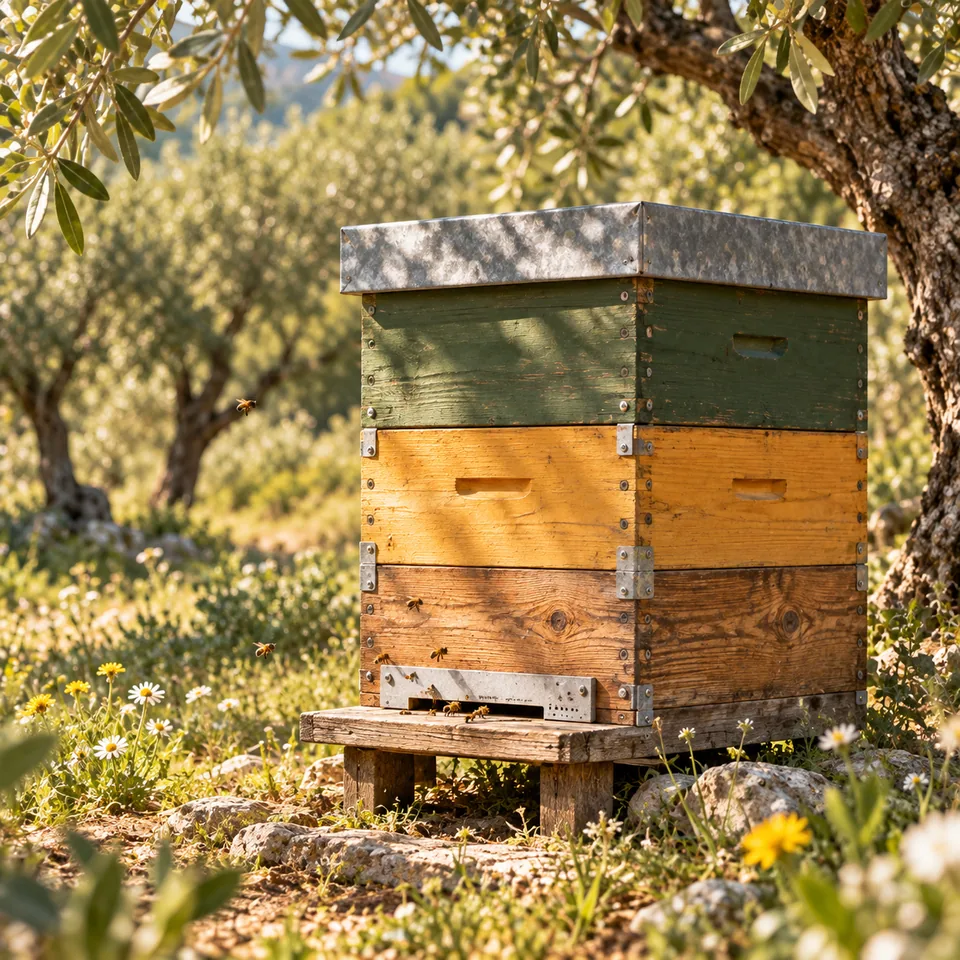
Your connection to Tuscany
Hive Experience
$129USD
One payment · One full year
- Live apiary camera & your private Hive Room
- Seasonal stories from your beekeeper
- Personalized digital & printed certificates
1.1–4.4 lb of premium raw Tuscan honeyAnnual harvest shipment. Amount depends on the harvest.
Shipping included
Personalize this gift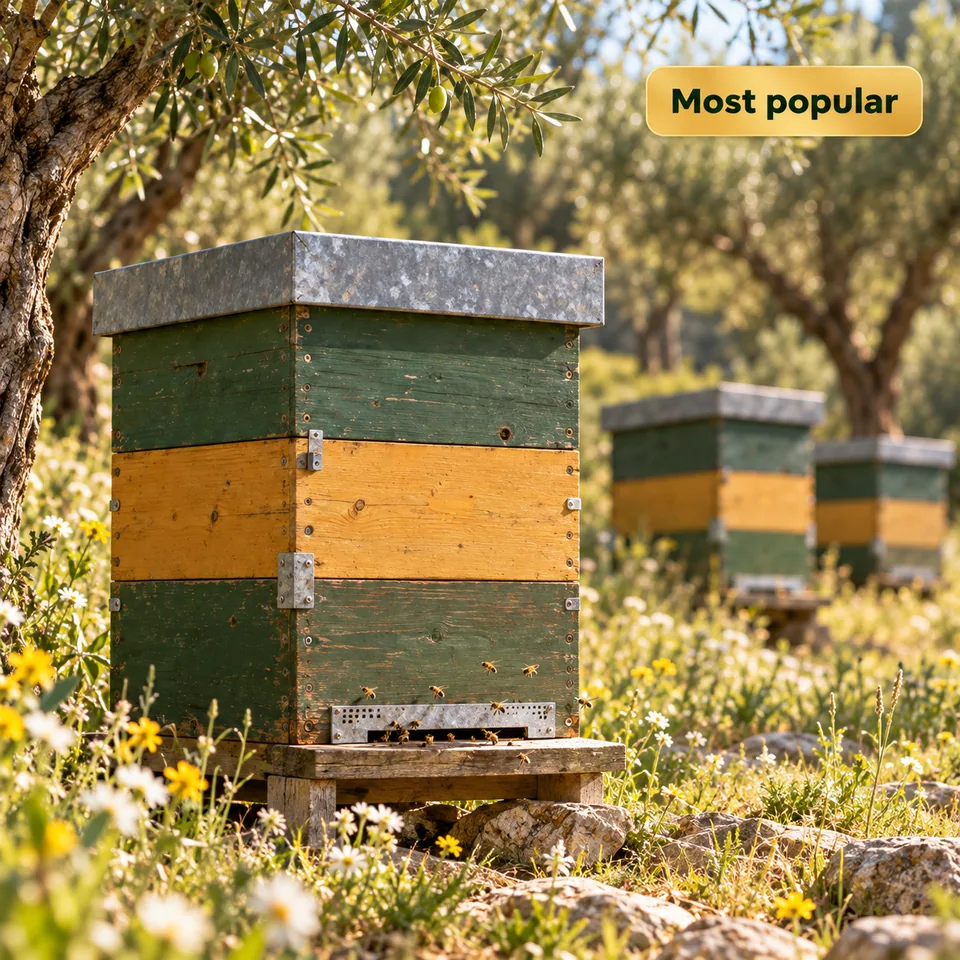
Tuscany, shared together
Family Hive Experience
$229USD
One payment · One full year
- Twice the honey range, with Wildflower & Acacia
- Honey recipes & digital Guided Honey Tasting
- Hive Room, live camera, beekeeper stories & certificates
2.2–8.8 lb of premium raw Tuscan honeyAnnual harvest shipment. Amount depends on the harvest.
Shipping included
Personalize this gift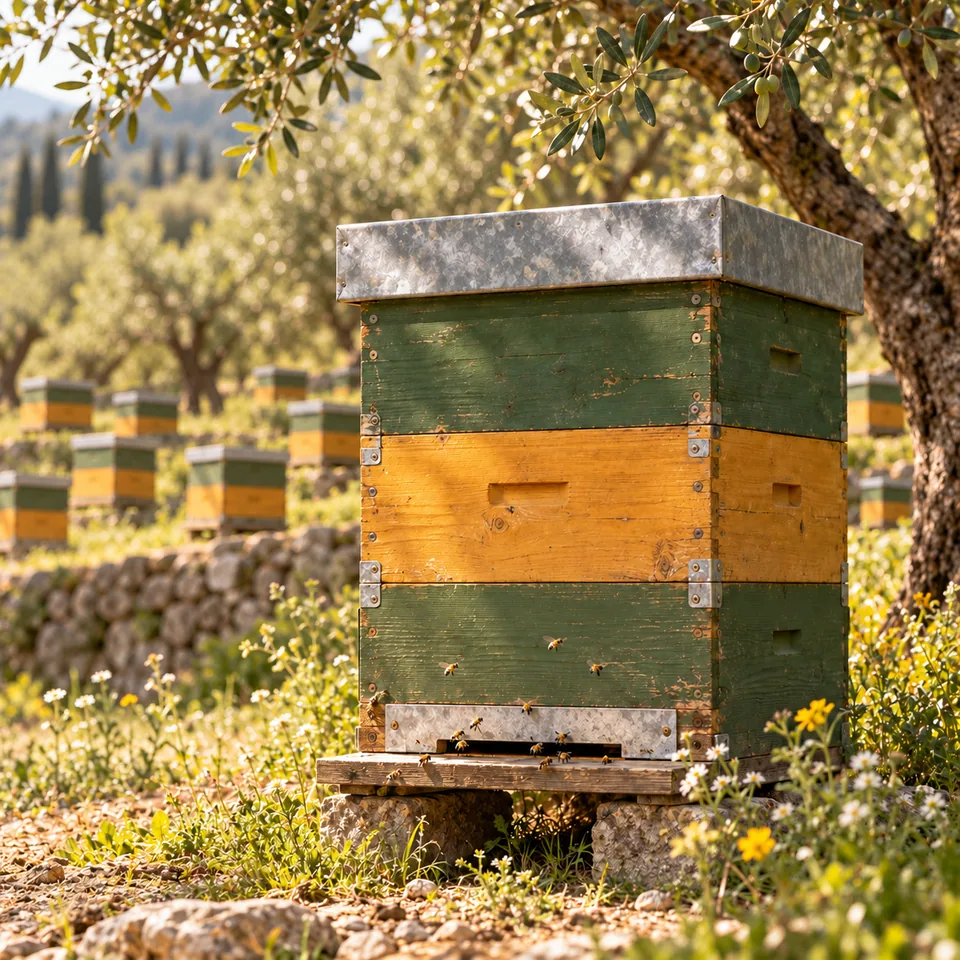
Your private Tuscan patronage
Private Hive Patron
$599USD
One payment · One full year
- Your personal name plaque at the apiary
- Personal beekeeper updates & live apiary camera
- Personalized certificates, recipes & Guided Honey Tasting
13.2–22 lb of premium raw Tuscan honeyAnnual harvest shipment. Amount depends on the harvest.
Shipping included
Personalize this giftSecure payment with Stripe · Shipping included in every package
What happens after I order?
You'll receive your adoption confirmation and access to your private Hive Room, where you can choose your hive name and follow seasonal updates. Your personalized digital certificate is part of the experience.
When does the honey arrive?
Your package includes an annual harvest shipment of premium raw Tuscan honey and a printed certificate. Timing follows the harvest and packing schedule. See shipping details before ordering for a specific date.
Can I give it as a gift?
Yes. Choose “As a gift” above, select a package and add your recipient's name and personal message. You can send the gift email now, schedule it or have it sent to you to present yourself. Honey delivery follows its own shipping schedule.