
Deal-closing gift guide
Deal-Closing Gifts for Business Clients That Do Not Feel Transactional
Celebrate completed work without making gratitude look like an inducement, victory lap or branded afterthought.

Quick answer
Give a deal-closing gift only after the agreement and required approvals are complete. Thank the people behind the work, avoid language that implies future obligation, check both organizations' policies and select a gift that marks the new chapter rather than advertising the transaction.
Know the line between celebration and influence
A gift cannot be allowed to blur a procurement decision. Wait until the agreement is executed and any cooling-off or approval requirements are satisfied. If timing still feels ambiguous, recognize the project team later at a genuine delivery milestone.
Document the business purpose and ask the recipient organization, not just your account owner, what can be accepted.
Celebrate what begins after the signature
The contract is rarely the most human part of the story. Focus on trust built through diligence, a hard problem solved together or the responsibility both teams are now taking on.
A named-hive experience can turn the closing into a seasonal narrative, especially when the selected name reflects a quality already demonstrated in the process.
Distinctive gifts for a completed deal
Choose one coherent centerpiece rather than a box filled to hit a price point. Make the recipient or shared project the subject; keep both brands in supporting roles.
- ●A shared named hive for the new partnership chapter
- ●A commissioned illustration of the place, product or problem behind the deal
- ●A small-origin culinary gift with full provenance and recipient choice
- ●A private team experience scheduled after implementation begins
- ●A concise project chronicle signed by both working teams
Recognize the working team, not only the signatory
A single executive gift can overlook the people who carried diligence, negotiation and implementation. Decide whether recognition belongs to one relationship owner, a small team or the broader organization.
Where policy requires shared gifts, design for genuine sharing. Where individual gifts are appropriate, keep value and experience consistent across comparable roles.
Use language that survives compliance review
Thank the recipient for completed work and state that no response or publicity is expected. Do not mention referrals, renewals, pipeline or hoped-for favors in the note.
Describe sustainability and beehive patronage narrowly: name the activity, apiary connection and term. Avoid presenting a gift as an offset or proof of a company's environmental performance.
Connect the reveal to the relationship handoff
Tell the implementation or account team what the client will receive, which story was used and who owns support. The gift should reinforce continuity between sales and delivery, not arrive as an isolated flourish.
Confirm recipient data, activation and delivery details before sending. A polished digital reveal can mark the date while physical elements follow on a realistic schedule.
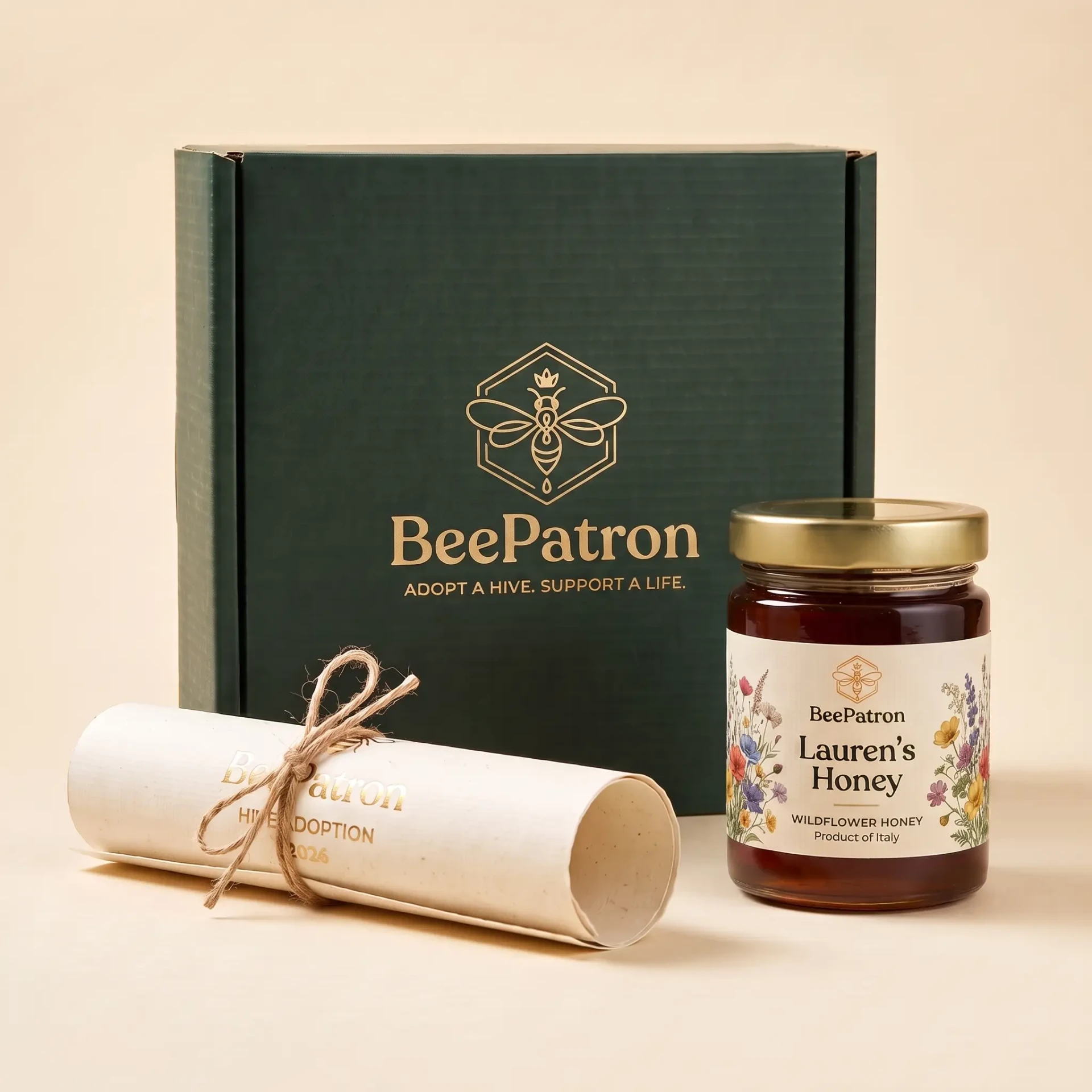
BeePatron presentation
See the BeePatron corporate gift presentation
A considered presentation built around personalized Tuscan honey, a hive adoption certificate and a story recipients can continue following.


Sources and further reading
Primary and institutional references used to review the factual claims in this guide. Product details and prices are BeePatron information.
Frequently asked questions
Is it appropriate to give a client a gift after closing a deal?
It can be, after execution and approvals are complete, when both organizations' policies permit it and the gift creates no expectation of future benefit.
How much should a deal-closing gift cost?
Start with recipient policy and proportionality, not a percentage of deal value. Relevance and execution matter more than reaching a luxury threshold.
Who should receive the closing gift?
Recognize the people whose completed work the gift names. That may be a relationship owner, a working team or the client organization as a whole.
Should the gift show both company logos?
Usually only discreetly. Let the relationship and provenance lead; use branding as a signature on the accompanying material.
Mark the signature with a living next chapter
Scope a named-hive experience for one client, the working team or a portfolio of completed relationships.
Design a closing gift