
Private-client gifting guide
Premium Gifts for Family Office Clients: Discretion Before Display
A framework for thoughtful multigenerational gifting when privacy, taste and relationship context matter more than visible expense.
Quick answer
A family-office client gift should be discreet, policy-approved and grounded in knowledge of the relationship rather than assumptions about wealth. Prioritize provenance, privacy, recipient choice and multigenerational relevance. Keep branding nearly invisible, avoid delivery surprises and never use family information merely to make personalization appear intimate.
Do not treat wealth as a personality
Luxury catalogues often reduce private clients to hobbies, status objects and price tiers. Begin instead with what is actually known: place, craft, curiosity, family tradition or a chapter of work completed together.
If the insight came from confidential financial or family information, it may not belong in a gift at all.
Make privacy visible through execution
Use a consented delivery channel, neutral outer packaging and one accountable relationship owner. Do not expose family names, addresses, travel schedules or beneficiary information to a broad internal team.
Ask whether the gift should go to an office, residence, assistant or family representative. A surprise is not premium when it creates security or household friction.
Gift formats with quiet multigenerational value
Choose experiences and objects that invite discovery without dictating how the family should display or use them.
- ●A family-level named-hive story with private seasonal access
- ●A commissioned maker piece tied to place or provenance
- ●A private cultural or culinary encounter with flexible attendance
- ●An archival-quality edition about a shared interest
- ●A recipient choice among equivalent food and non-food formats
Design for a family without flattening its members
A shared family gift can create conversation, but spouses, adult children and younger generations are not one audience. Decide whether the relationship supports a household experience or individual recognition.
Avoid assigning values or identities to family members. Named-hive symbolism should be offered as an invitation, not a personality judgment.
Keep generosity separate from financial decisions
Review firm policy, jurisdiction, recipient restrictions and timing with compliance. Avoid gifts near manager selection, allocation, transaction or governance decisions where influence could be inferred.
Value should not track assets under management or confidential account characteristics. Record the business purpose and approval path.
Let provenance carry the story
Explain who made the gift, where it comes from and what the recipient will experience. Do not turn beehive patronage into an offset, investment product or proof of environmental performance.
State the managed-apiary relationship, patronage term and fulfillment conditions precisely. Restraint makes the provenance more credible, not less luxurious.
BeePatron presentation
See the BeePatron corporate gift presentation
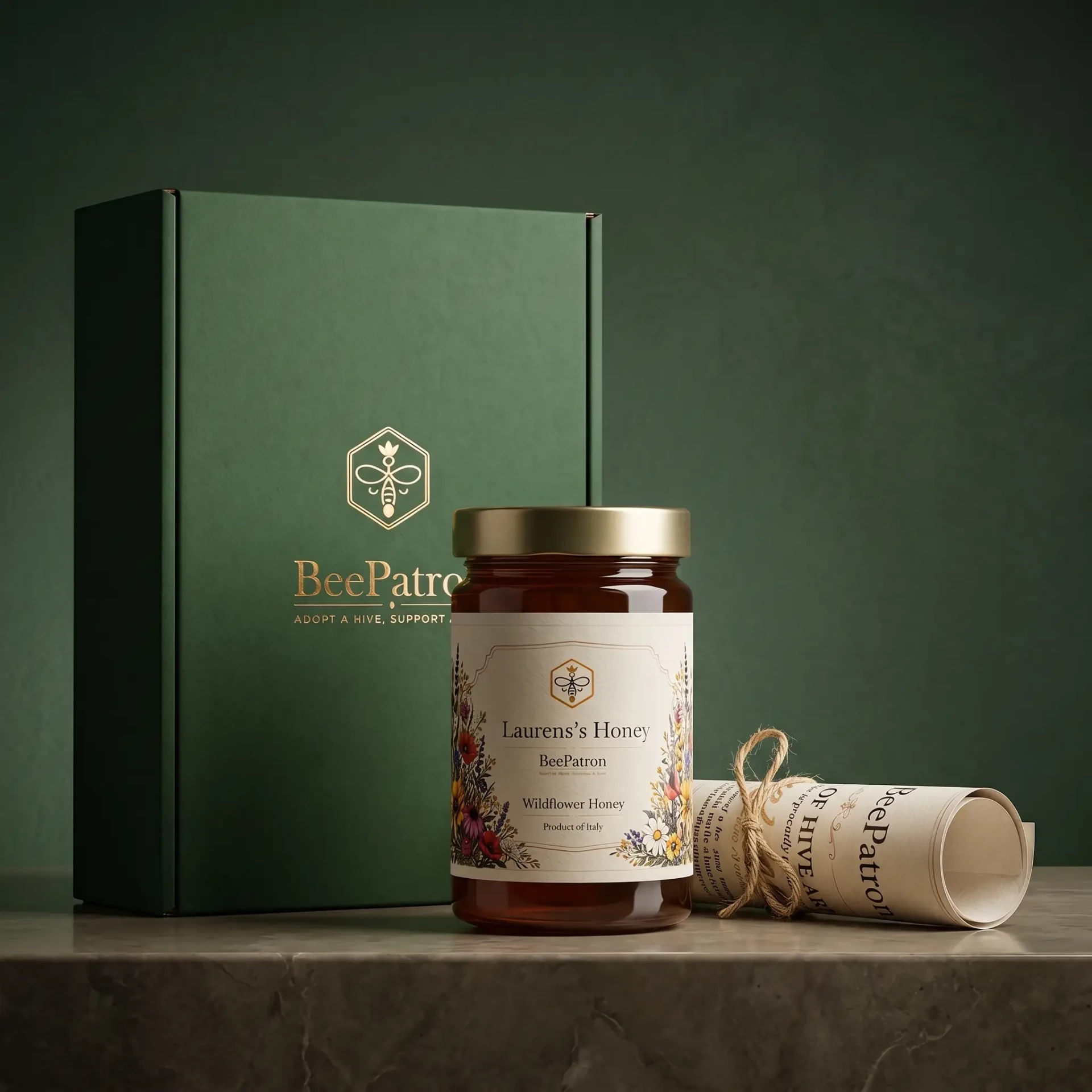
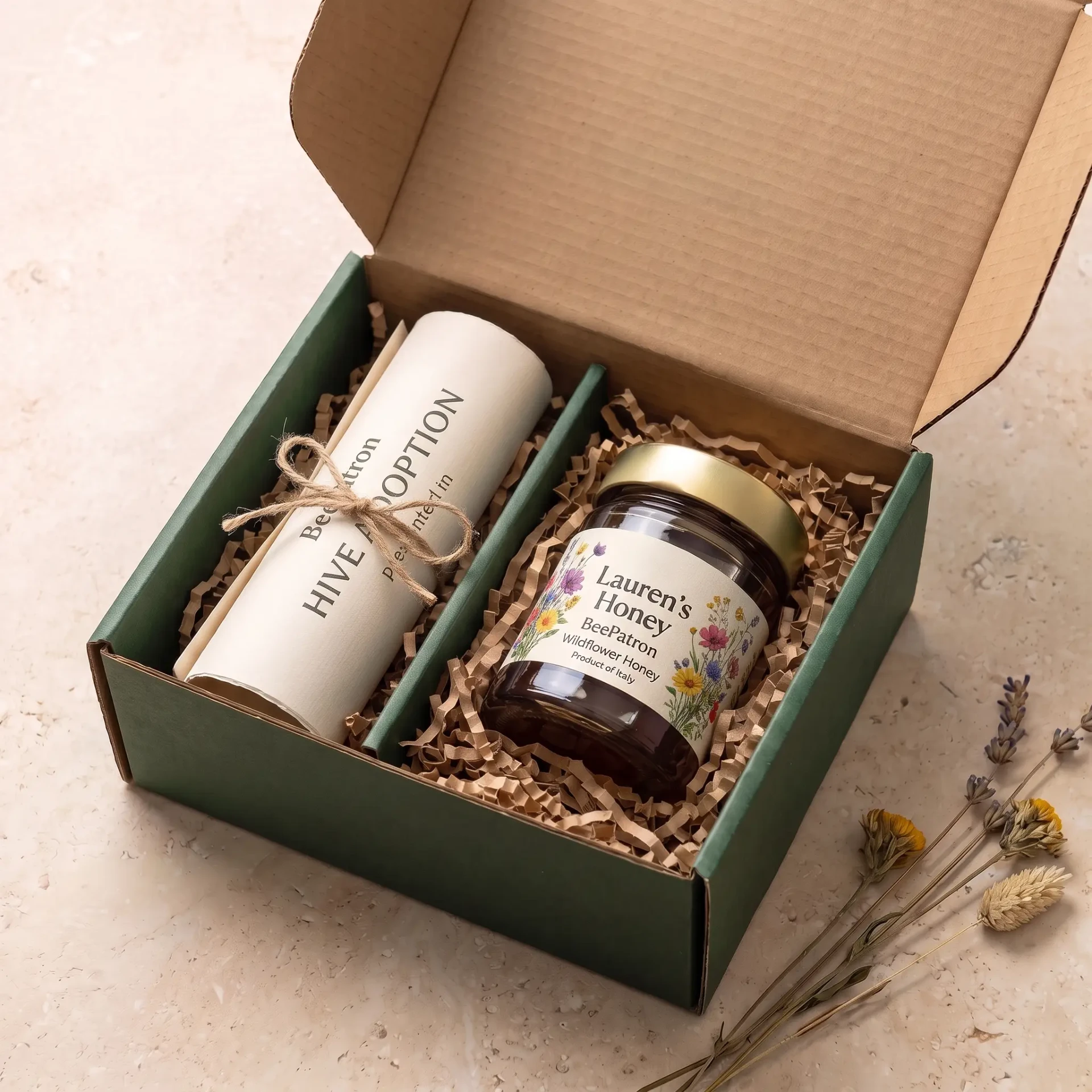
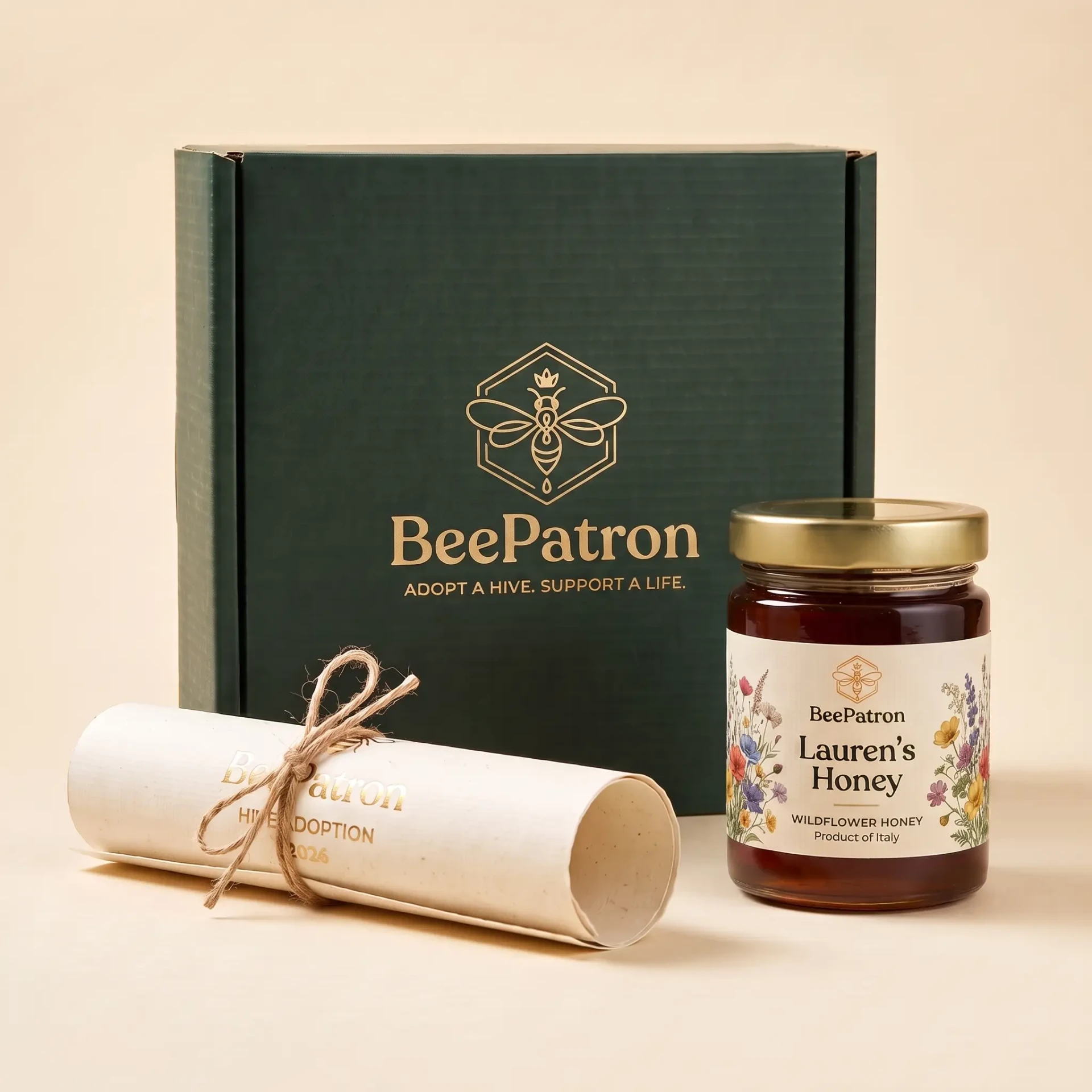
A considered presentation built around personalized Tuscan honey, a hive adoption certificate and a story recipients can continue following.
Sources and further reading
Primary and institutional references used to review the factual claims in this guide. Product details and prices are BeePatron information.
Frequently asked questions
What is a good gift for a family office client?
Choose discreet provenance, private access or a continuing experience tied to a known shared interest—not a generic symbol of wealth.
Should a private-client gift include a logo?
Usually only as a subtle sender signature on accompanying material. The recipient and provenance should lead.
Can one gift be appropriate for an entire family?
Yes, when it is genuinely shareable and does not assume every family member has the same interests, diet or availability.
Is named-hive patronage an investment?
No. It is a patronage experience connected to a managed apiary, not a financial or impact investment.
Give private clients a story with room to remain private
Scope a discreet named-hive experience around provenance, recipient choice and careful delivery.
Plan private-client gifting