
Founder recognition guide
Gifts for Founders After an Acquisition
Recognize the identity, risk and years of craft behind a company—without reducing the moment to the transaction that ended its independent chapter.

Quick answer
A meaningful post-acquisition founder gift honors what was built, the people behind it and the complexity of letting go. Wait until the transaction and communications are complete, separate recognition from deal consideration, use specific company history and let the founder control publicity. Avoid valuation symbolism, victory language and assumptions that the moment feels only celebratory.
Make room for pride and loss in the same moment
An acquisition can represent success, relief, uncertainty and grief at once. A gift that says only congratulations may miss the founder's actual experience.
Ask a trusted colleague what deserves recognition and what remains sensitive. The tone should acknowledge authorship of a company chapter without writing the founder's feelings for them.
Recognize the company before the deal
Focus on the first customer, defining product, culture, place or problem the founder refused to ignore. Valuation, deal size and buyer prestige are weak material for a lasting gift.
Include the employees and partners who made the story possible without turning the founder tribute into a corporate timeline.
Founder gifts that preserve authorship
Choose a format that can hold real evidence of building: sketches, decisions, language, materials or a living metaphor grounded in observed behavior.
- ●A facsimile edition of early sketches and pivotal artifacts
- ●A commissioned object using material from the original workplace
- ●A named hive connected to bravery, creativity or persistence
- ●An oral history featuring early employees and customers
- ●A private maker experience for the founder and chosen guests
Use the hive as a new chapter, not a company metaphor
A named-hive journey can mark persistence or thoughtful building without claiming that companies and colonies work in the same way. Connect the chosen name to one real founder decision.
Describe the experience precisely: patronage supports a managed apiary; it does not transfer legal ownership, guarantee exclusive honey or prove a biodiversity outcome.
Wait until the transaction can no longer color the gift
Present the gift after execution, required approvals and coordinated communications. Keep it outside purchase consideration, earn-out discussions and any unresolved employment negotiation.
Decide whether the sender should be the buyer, board, leadership team or employees. Each relationship carries a different message and approval path.
Let the founder choose what becomes public
Acquisition stories often contain confidential, disputed or emotionally sensitive details. Review inscriptions and editorial materials, then ask before publishing photographs, quotes or a case study.
A private delivery with one thoughtful speaker may carry more weight than an elaborate stage reveal. The founder should not have to perform gratitude for the gift.
BeePatron presentation
See the BeePatron corporate gift presentation
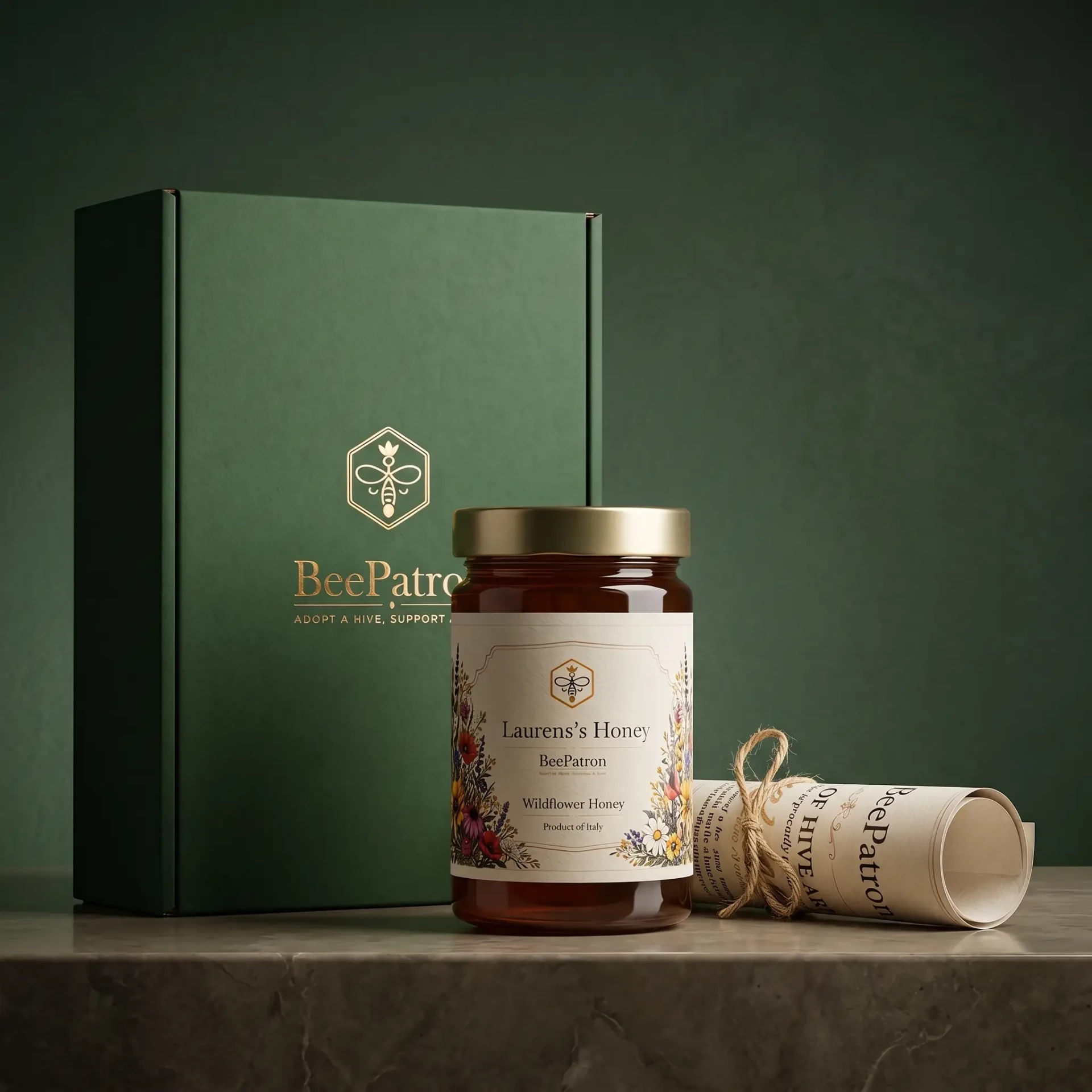
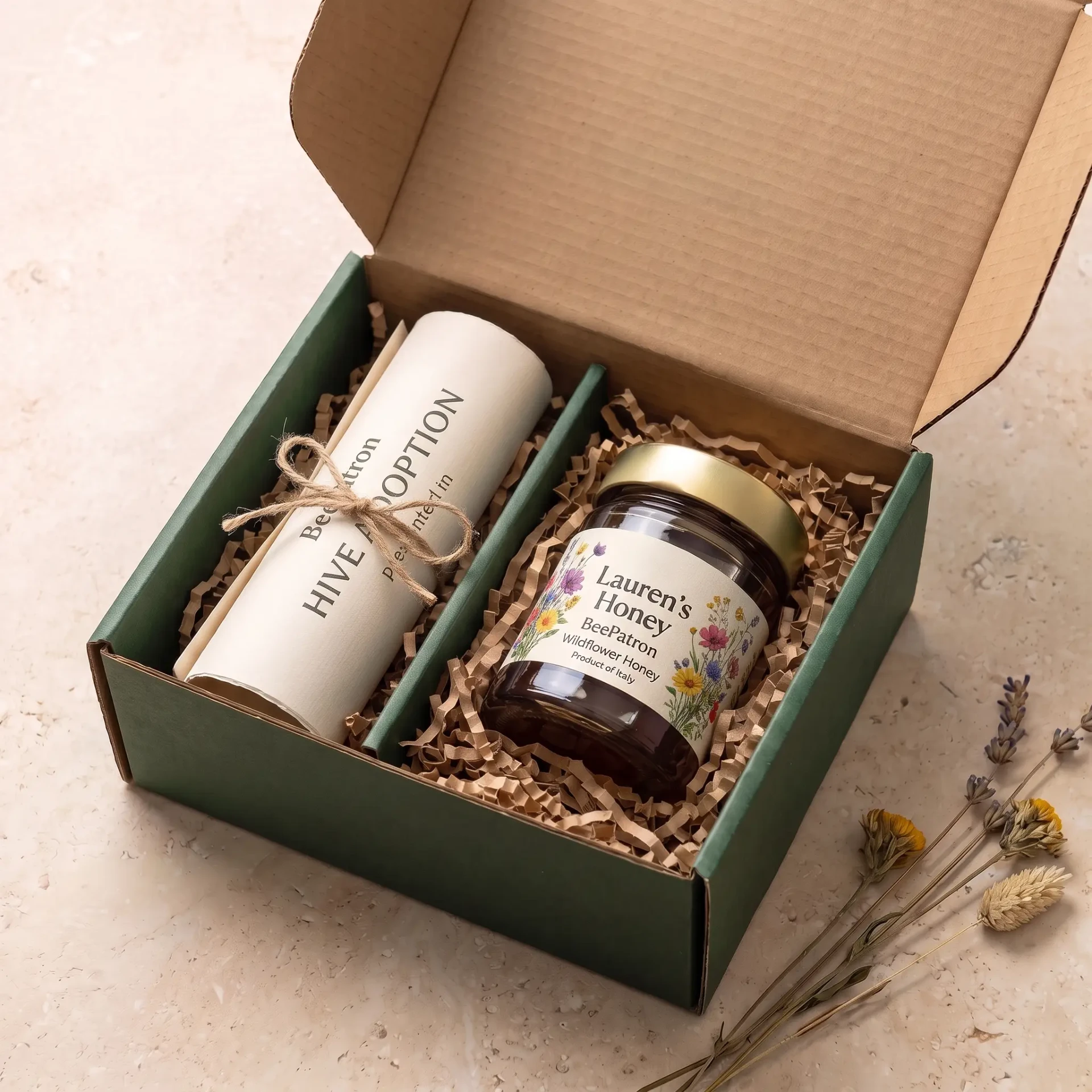
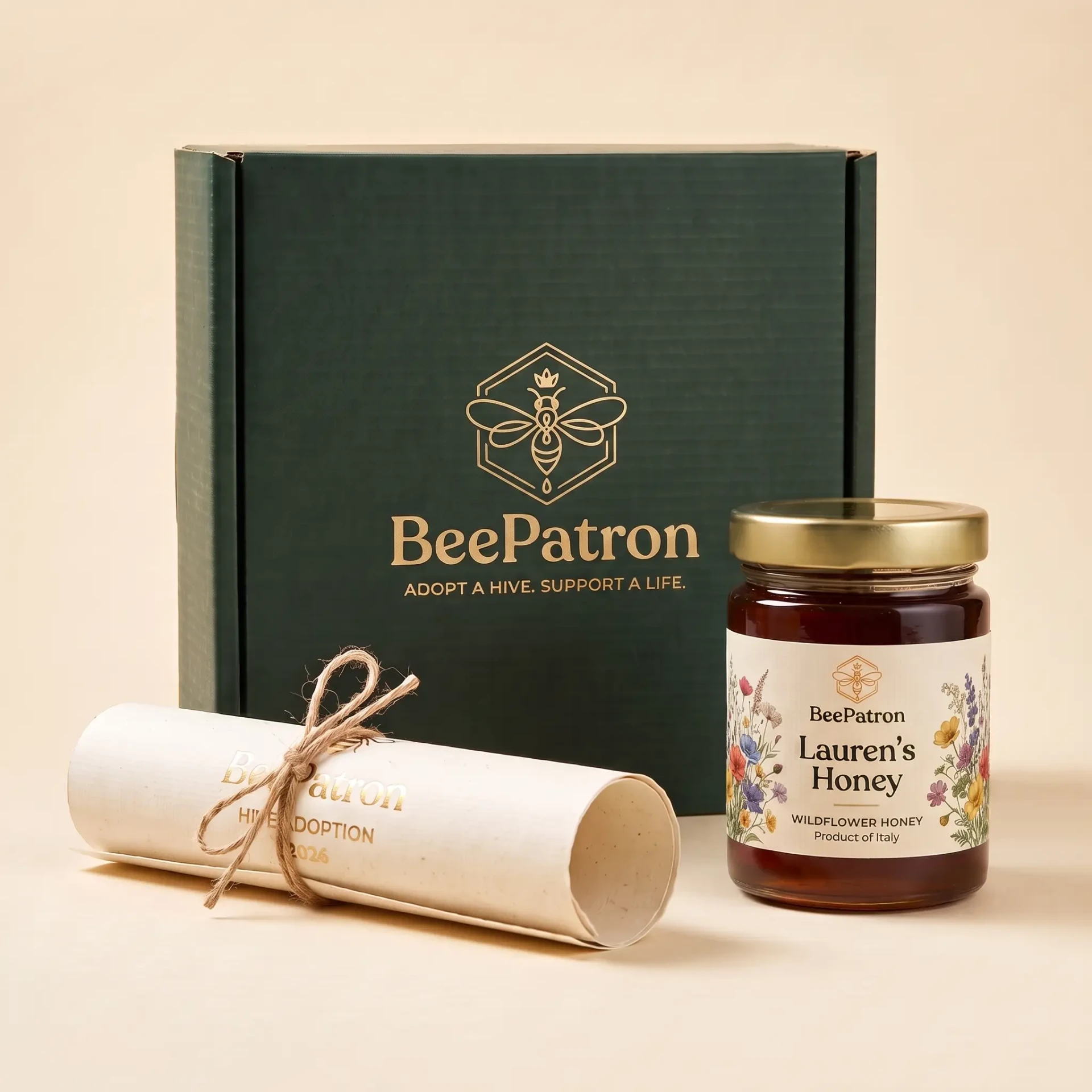
A considered presentation built around personalized Tuscan honey, a hive adoption certificate and a story recipients can continue following.
Sources and further reading
Primary and institutional references used to review the factual claims in this guide. Product details and prices are BeePatron information.
Frequently asked questions
What is an appropriate gift for a founder after an acquisition?
Choose something that preserves the history, craft or defining behavior behind the company rather than celebrating valuation or deal size.
Who should give the founder gift?
The buyer, board or team can give it, but each should use a message grounded in its own relationship with the founder.
When should the gift be presented?
After execution, approvals and formal communications, away from unresolved consideration, earn-out or employment decisions.
Can named-hive patronage represent a founder's next chapter?
Yes, when the hive name reflects a real quality and the experience is presented as patronage rather than ownership or an impact claim.
Honor what the founder built before naming what comes next
Create a named-hive experience rooted in one true quality from the company's founding story.
Design a founder gift