Italian Heritage Gift Guide
Gifts for Italian Americans: 7 Meaningful Ways to Celebrate Your Heritage
Choose a gift around the family story, regional flavor or everyday tradition they treasure. Seven thoughtful ideas, personal messages and a practical checklist for getting it right.
Quick answer
Meaningful gifts for Italian Americans connect to a specific person: a family recipe, a hometown, a remembered voice or a tradition they enjoy today. Consider a recipe collection, a verified hometown map, a recorded family conversation, a regional tasting, a flexible lesson, a useful artisan object or a named Tuscan hive experience. Start with what they value, distinguish a genuine family connection from a new Italian experience, and check how the gift will be used after the reveal.
| Criterion | A good fit for | Make it personal by checking |
|---|---|---|
| Family recipe collection | The person who keeps family food traditions alive. | Whose recipe it is, the original wording and permission to share. |
| Hometown map or research folder | Someone curious about their family's place of origin. | The exact town and the evidence behind each name or date. |
| Recorded family story | Relatives who treasure voices, memories and photographs. | Willingness to participate and who may hear the recording. |
| Regional food tasting | A food lover who enjoys discovering where flavors come from. | Origin, ingredients, preferences and a simple way to serve it. |
| Language or cooking lesson | Someone who has asked to learn or practice a skill. | Level, flexible dates, location and how much help they want. |
| Useful artisan object | A recipient with a daily ritual you know well. | Actual maker, dimensions, care and space in their home. |
| Named Tuscan hive experience | A honey or nature lover interested in an ongoing connection with Tuscany. | Gift activation, current package inclusions and delivery eligibility. |
Start with their family story, not a generic idea of Italy
A useful Italian heritage gift begins with one detail you can name. Perhaps your father keeps a photograph of his grandparents' village. Your aunt still makes a particular holiday dish. Your partner talks about returning to the place where you spent your honeymoon. These are different connections, and they call for different presents.
Before shopping, write down three things: the person or place behind the connection, the tradition they enjoy now, and the kind of gift that fits their life. A family historian may prefer a carefully documented folder to another kitchen accessory. A busy parent may enjoy a ready-to-share tasting more than an ambitious project.
If you do not know the family's region, ask an ordinary question about a photograph, recipe or place name. Avoid guessing from a surname or treating Tuscany as the origin of every Italian-American family. An experience in Tuscany can be a lovely new chapter even when a family's roots lie elsewhere.
1. Make a family recipe book that keeps the cook's voice
A family recipe collection becomes more personal when it preserves how someone actually cooks. Keep a scan of the handwritten card, add a readable transcription and name the person associated with it. A polished recipe without the original handwriting may lose the detail everyone hoped to keep.
Make a small first edition rather than waiting to document every dish. Five well-loved recipes can form a complete gift when each includes a short memory: who made it, when the family ate it, and the instruction that never appeared in a cookbook. Ask the cook to check your measurements before presenting your version as theirs.
Include an invitation to prepare one recipe together. For someone who no longer wants to do the cooking, offer to shop, cook and clean up while they tell the story. A grandparent's contribution can be conversation rather than labor, and younger relatives can help label photographs or design the cover.
- ●Preserve the original wording beside your edited recipe.
- ●Label uncertain amounts as notes to confirm, rather than silently inventing them.
- ●Add a dated family photograph with permission.
- ●Leave a few blank pages for recipes the recipient wants to include next.
2. Give a hometown map with a carefully documented family folder
A map of a meaningful town can be a strong Italian ancestry gift when the place is actually connected to the family. Pair it with a short note explaining who lived there and how you know. A single verified location is more useful than an elaborate family tree assembled from people with matching surnames.
The U.S. National Archives identifies census, immigration and naturalization records among its family-history resources. These are starting points for checking names and places, rather than a promise that one search will resolve a family's origins. Treat similar names as leads to investigate, and keep a source note beside each conclusion.
For a modest research gift, create a folder with a map, copies of documents already held by the family, a simple timeline and questions still unanswered. Mark family recollections as recollections. If research is the present itself, offer help looking together instead of promising a finished ancestry story by a fixed date.
Research and references
3. Preserve a family conversation, with permission
A recorded conversation can keep the laugh, pronunciation and pauses that a printed album cannot. Start with a willing relative and one comfortable topic. Explain who the recording is for and agree on sharing before you begin. A private family keepsake does not need to become a public social-media post.
The Smithsonian's oral-history guidance emphasizes preparation, open-ended questions, attentive listening and respect for what a narrator chooses to share. It also recommends using photographs to prompt memories. Those principles suit a family conversation: give the person space to tell their own experience, rather than steering them toward a story you want.
Our suggested small format is one conversation, a few labeled photographs and a short transcript of favorite moments. Keep an accessible copy for the recipient and a backup. Offer to edit out anything they would rather keep private. The gift should feel like recognition of their voice, not an assignment to explain the entire family.
- ●Which family meal do you remember most clearly, and who was there?
- ●What ordinary detail of your childhood kitchen would you like us to remember?
- ●Which tradition would you like the next generation to continue?
Research and references
4. Build a regional tasting around one place and one evening
A food gift is easier to enjoy when you provide a way to use it. Choose a small selection around a place the recipient knows or wants to discover, then plan an uncomplicated tasting. Explain the origin of each item and keep the packaging or producer notes available for anyone who wants to learn more.
Honey offers a gentle starting point for a Tuscany-themed evening because different floral sources give you something to compare. Visit Tuscany describes acacia and chestnut honeys associated with Lunigiana, including pale acacia honey and the more pronounced character of chestnut honey. Regional examples are useful for planning a tasting; they do not establish the origin or qualities of a particular jar.
Serve small portions, offer plain bread or another neutral accompaniment and let people describe flavors in their own words. Check ingredients and the recipient's dietary preferences before buying. You can add a family recipe or a photograph from a trip, but avoid presenting a Tuscan selection as part of their ancestral region unless that connection is known.
Research and references
6. Choose an artisan object for a ritual they already enjoy
A handmade object earns its place when it suits the recipient's routine. Think of the cup they reach for every morning, the dish used at family gatherings or the notebook they bring on trips. Choose a useful replacement or companion only after noticing what they like about the original.
Read the maker's information carefully. An Italian design, an Italian shop and an item made in Italy describe different things. Ask about production, dimensions and care before adding a provenance story to your gift note. If the origin cannot be confirmed, describe what you actually know about the object and why you chose it.
For someone with a crowded home, the right object may be very small. A repair, a framed copy of a treasured recipe or an invitation to choose a piece together can be more welcome than an expensive surprise. Personalization should fit their taste, especially when a name or inscription makes an item difficult to change.
7. Give a named Tuscan hive as a new family tradition
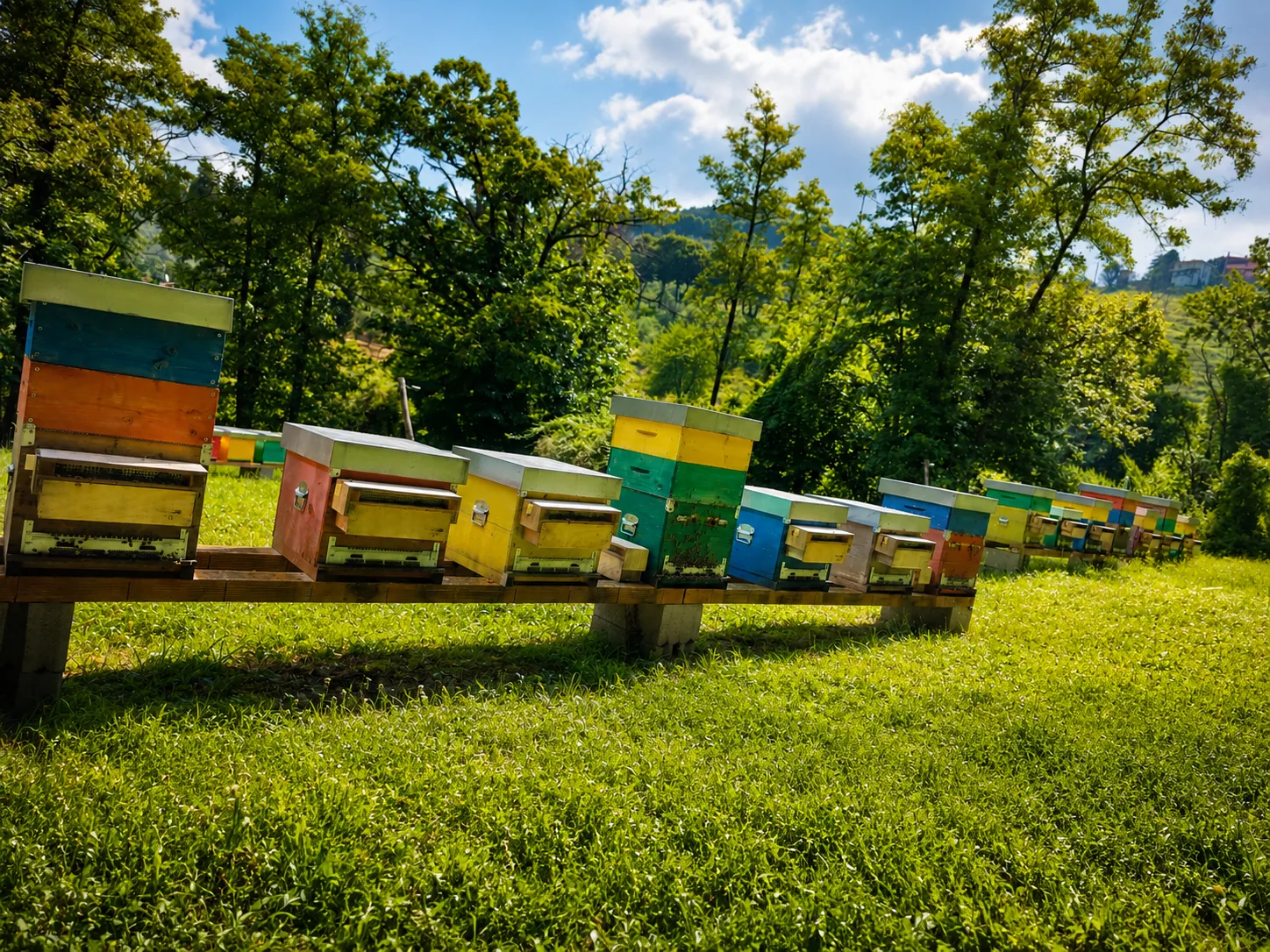
BeePatron offers a gift for someone who enjoys honey, nature and following a place through the seasons. The experience centers on a named hive in Tuscany and a connection with the Le Gusciane apiary. It can introduce a new Italian tradition at home, whether or not Tuscany is part of the recipient's family history.
Before buying, review the current gift flow and the selected plan. Check how the recipient activates the gift, how they choose their hive name, what updates and honey are included, and whether delivery is available for their address. A clear explanation makes the reveal easier and helps the recipient understand what happens next.
Patronage does not transfer legal ownership. Honey comes from the supported apiary according to the selected package, harvest and season. Choosing a named hive adds a personal focus to the experience; it is not a promise that every jar comes exclusively from that hive.
For a family gift, pair the experience with a small ritual you organize: look through an apiary update together, keep a note of the honey's flavor, or bring a jar to a future meal when it arrives. Those ideas are ways to enjoy the gift, rather than additional services included in a package.
What research says about gifts people experience
In their research published in the Journal of Consumer Research, Cindy Chan and Cassie Mogilner examined actual gift exchanges and found that experiential gifts could strengthen recipients' relationships with the giver more than material gifts. The emotional response while enjoying the experience helped explain the difference. The giver did not always have to participate.
The study examined gift giving generally. It did not test Italian-American heritage gifts or BeePatron, and it cannot predict how an individual recipient will respond. Our practical interpretation is to consider what a person will enjoy doing after the reveal: cooking, listening, discovering a place or sharing a meal. A physical keepsake can support that experience when it has a clear role.
Match the gift to Nonna, Nonno, a parent or a partner
Family roles can give you a starting point, but they do not decide what someone wants. A grandparent may love technology and a younger relative may prefer a handwritten album. Ask what the recipient enjoys now, how much effort they want to invest and whether they would like to share the gift with anyone.
For a parent or grandparent, a familiar voice, recipe or photograph can make the connection clear. For a partner, a tradition you create together may be more relevant than genealogy. For a younger adult, leave room to explore their own relationship with heritage instead of prescribing how they should express it.
- ●For a keen cook: preserve a family recipe and arrange an easy evening to use it.
- ●For a family storyteller: offer a relaxed conversation and handle recording or editing yourself.
- ●For a curious younger relative: choose an approachable discovery with control over dates and format.
- ●For a honey and nature lover: consider a regional tasting or a continuing Tuscan apiary experience.
Write a note that explains why you chose this gift
A personal message needs one specific memory and one invitation. Describe what you noticed about the recipient, then connect it to the gift. You do not need a grand statement about heritage when a remembered Sunday lunch or a familiar family phrase already tells the story.
The examples below are suggested wording to adapt to your own relationship. Replace the details with something true, and choose language your family uses comfortably. If the gift creates a new connection with Tuscany, describe it as a new tradition rather than inventing an ancestral link.
- ●For a recipe book: 'You have kept our family around the same table for years. I wanted these recipes, and the stories behind them, to stay with us.'
- ●For a family recording: 'I love hearing how you remember it. This is a little space for your voice, and for the stories you want us to keep.'
- ●For a Tuscan hive experience: 'A little connection with Tuscany, and a new story for us to follow together. I thought of you because you always notice the small things in nature.'
Use this checklist before choosing an Italian heritage gift
Decide on the connection before deciding on the spend. A handwritten booklet and an organized family meal can carry as much personal meaning as a purchased experience. If you are buying something, consider the recipient's time, storage space and ongoing costs as part of the choice.
Separate the reveal from any later delivery. A gift that is presented through an activation or a note may still include physical items that arrive on a different schedule. Check the seller's current information before tying a celebration to a parcel, and offer a simple next step the recipient can understand.
- ●I can explain why this particular person will enjoy the gift.
- ●I have verified any hometown, maker or origin claim in my note.
- ●The recipient can choose how involved they want to be.
- ●I have checked ingredients, format, access and delivery eligibility.
- ●I know whether any booking, activation or ongoing payment is involved.
- ●I can explain what arrives now and what comes later.
- ●I have planned one easy way to enjoy the gift after the celebration.
Sources and further reading
Primary and institutional references used to review the factual claims in this guide. Product details and prices are BeePatron information.
- Resources for Genealogists and Family Historians : U.S. National Archives
- How to Do Oral History : Smithsonian Institution Archives
- Honey from Lunigiana : Visit Tuscany
- Experiential Gifts Foster Stronger Social Relationships than Material Gifts (Chan and Mogilner) : Journal of Consumer Research; author manuscript hosted by UCLA Anderson
Frequently asked questions
What is a meaningful gift for an Italian American?
Start with a specific connection the person values: a family recipe, a hometown, a remembered voice or a tradition they enjoy today. A recipe collection, documented map, recorded conversation, regional tasting or chosen experience can make that connection easy to enjoy.
What can I give Nonna or Nonno if they already have everything?
Consider a small family recipe book, a recording of stories they want to share, a labeled photo collection or a meal you organize. Ask what they would enjoy and handle the practical work yourself, so the gift does not become an obligation.
Can I give a Tuscan gift if my family's roots are elsewhere in Italy?
Yes, when it matches the recipient's interests. Present Tuscany as a place to discover or a new tradition, rather than as the family's ancestral region. A clear story makes the gift personal without requiring an invented connection.
How do I choose an Italian heritage gift when I do not know the family's hometown?
Choose a known recipe, memory, ritual or interest. You can also offer to explore family records together. Avoid selecting a town from a surname alone or presenting an unverified family tree as established history.
Is BeePatron a gift of legal hive ownership?
BeePatron is a named-hive patronage experience in Tuscany. Patronage does not transfer legal ownership. Check current plans and gift activation details before buying. Honey comes from the supported apiary according to the selected package, harvest and season.
Should I choose an experience or a physical keepsake?
Choose the format the recipient will use. A flexible experience can create something to enjoy, while a meaningful object can preserve a memory or support a daily ritual. You can combine them, such as a recipe book with a meal you cook together.
Give Them a Named Hive in Tuscany
For a honey and nature lover, BeePatron can begin a new Italian tradition. Explore the gift experience, review the current plans and choose the option that fits your recipient.
Explore BeePatron GiftsContinue exploring
Gifts for Italy Lovers
Explore gifts for someone whose connection with Italy centers on travel, culture or a favorite place.
Read nextWhat Comes With a BeePatron Gift?
Understand the recipient experience and the practical steps after the reveal.
Read nextGifts for Grandparents Who Have Everything
Find thoughtful ways to recognize grandparents through memories and things they can enjoy.
Read next