
Honey Bee Life Cycle
How Long Do Honey Bees Live? Worker, Queen and Drone Lifespans
A honey bee's lifespan depends on its role, season and colony conditions. Follow the very different lives of workers, queens and drones.
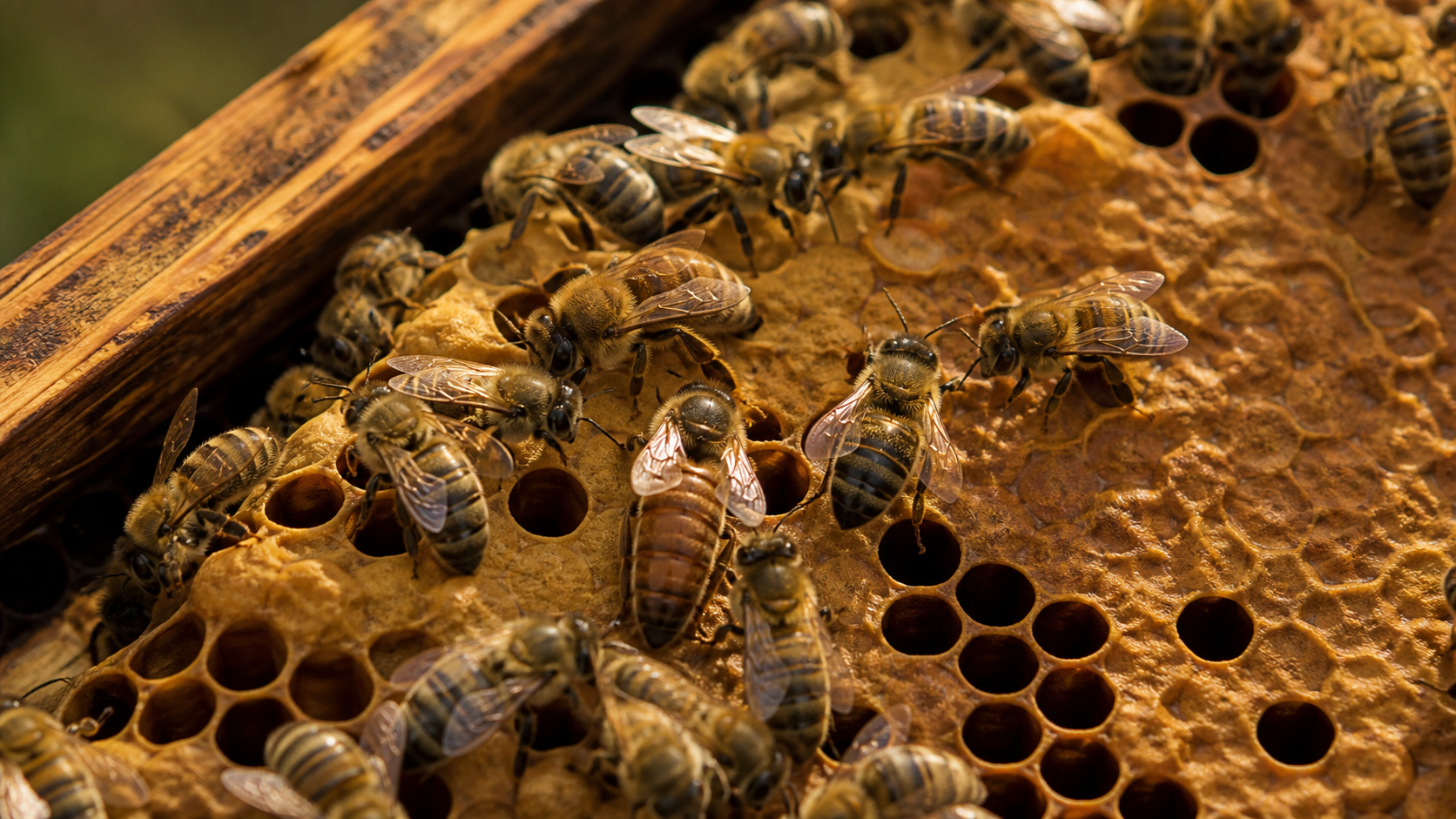
Quick answer
Adult worker honey bees commonly live about four to six weeks during the active season, while workers raised for winter can survive for several months. A queen may live for several years, although her productivity often declines earlier and managed colonies may replace her. Drones generally live for weeks or months, but mating is fatal and colonies commonly expel surviving drones when resources tighten before winter. These are ranges, not fixed expiration dates.
Looking for an educational gift rooted in the real world?
Explore BeePatron’s named Tuscan hives and discover the meaning behind each one.
Explore the HivesHoney bee lifespan at a glance
There is no single answer for every honey bee. A colony contains three adult castes—workers, a queen and seasonally present drones—and each follows a different biological path. Even within one caste, season, workload, nutrition, weather, disease and colony conditions change how long an individual survives.
The familiar four-to-six-week figure describes an active-season worker, not every bee in the hive. Winter workers can remain alive for months, queens can persist for years, and drones follow a reproductive timetable rather than the worker sequence of nursing, guarding and foraging.
- ●Summer worker: commonly about four to six weeks as an adult.
- ●Winter worker: often several months, potentially spanning autumn into spring.
- ●Queen: potentially several years, though replacement may happen much sooner.
- ●Drone: typically weeks to months, ending sooner if he mates or is expelled.
Why summer worker bees live only weeks
A worker's adult life usually begins inside the colony. She cleans cells, tends brood, handles food, helps build comb, ventilates the nest and later guards the entrance. The sequence is flexible: colony need can accelerate, delay or reverse particular tasks.
Foraging is the most visibly demanding phase. A forager repeatedly navigates between the nest and changing sources of nectar, pollen, water or plant resins. Flight, weather exposure and accumulated wear help explain why active-season workers have much shorter lives than the queen they support.
Winter workers are built for a longer season
Workers reared as the active season closes can live through much of winter. They are not making the same schedule of daily foraging flights as summer workers. Instead, the colony forms a thermoregulating cluster, consumes stored food and waits for conditions that permit safe flight.
Calling them winter bees does not mean they are a separate species or permanent caste. They are workers whose development, physiology and tasks reflect the season. Their longer lives allow the colony—not every individual—to bridge the gap until brood rearing and forage expand again.
How long does a queen honey bee live?
Queens have the greatest potential lifespan in the colony. Penn State notes that a queen can live seven or more years, while also explaining that productivity usually declines after the first year or two. USDA material gives a more typical range of one to two years while acknowledging longer records. The apparent difference is a useful reminder to separate biological potential from common managed-colony experience.
A queen does not control the colony like a human monarch. Her central role is reproduction, and workers feed and groom her. If her performance declines, she disappears or the colony prepares to reproduce by swarming, workers may rear a successor.
What determines a drone's lifespan?
Drones are male honey bees. They do not forage, tend brood or defend the entrance with a stinger; their reproductive role is to mate with a queen away from the hive. A drone that mates dies as a direct consequence of mating.
Those that do not mate may live for weeks or months while food is abundant. In many temperate colonies, workers expel drones as the main season ends and stores become more valuable. New drones are produced again when colony conditions and the reproductive season support them.
Lifespan starts after a complete transformation
Adult lifespan is only part of the story. Honey bees pass through egg, larval and pupal stages before emerging as adults. Development time differs by caste: queens develop fastest, workers follow and drones take longest.
This distinction prevents a common counting error. When a source says a worker lives four to six weeks, it generally means the adult period after emergence, not the entire interval from the egg being laid.
The colony outlives its individual members
Honey bee colonies are perennial when conditions allow. Individual workers turn over continuously, yet shared food stores, comb, brood and information let the colony persist. The enduring unit is therefore the colony, not one bee.
That perspective also explains why responsible beekeeping evaluates patterns rather than treating one dead bee as a diagnosis. Brood, food, queen status, pests, disease, population balance and season belong to one connected system.
Sources and further reading
Primary and institutional references used to review the factual claims in this guide. Product details and prices are BeePatron information.
Frequently asked questions
How long does a worker honey bee live?
An active-season adult worker commonly lives about four to six weeks. Workers reared for winter can live for several months.
How long does a queen bee live?
A queen can live for several years, but productivity often declines after the first year or two and colonies or beekeepers may replace her earlier.
Do honey bees live longer in winter?
Winter workers generally live much longer than busy summer workers, helping the colony survive until spring activity resumes.
Does a honey bee die after it mates?
A male drone dies after successful mating. Queens mate early in adult life and can then use stored sperm for years.
Is the egg stage included in a bee's stated lifespan?
Usually not. Common worker-lifespan figures describe adult life after emergence; development from egg through larva and pupa comes first.
Follow a Real Colony Through Its Seasons
Choose a named Tuscan hive and discover how colony life changes across the beekeeping year.
Choose a Hive Give BeePatron as a Gift