
Luxury Nature Gift Guide
Luxury Gifts for Nature Lovers Who Value the Real Thing
Choose provenance, access and genuine seasonal connection instead of decorative nature branding or unsupported environmental claims.
Quick answer
A luxury gift for a nature lover should deepen their relationship with a real landscape, craft or living system without claiming more environmental benefit than can be demonstrated. Strong choices include guided field experiences, specialist tools selected with their input, botanical or cultural memberships, conservation work tied to a place they know and professionally managed seasonal experiences with transparent provenance.
| Criterion | Source of value | Due diligence |
|---|---|---|
| Expert-led field day | Access, interpretation and time in a real habitat. | Group size, accessibility, season and wildlife ethics. |
| Specialist equipment | Durability and precise usefulness. | Their existing setup, technical preferences and warranty. |
| Garden or reserve membership | Repeated access and support for a known place. | Travel distance and actual frequency of use. |
| Named-hive experience | A Tuscan apiary connection, symbolic identity and seasonal story. | Accurate patronage, honey and biodiversity expectations. |
| Commissioned natural-history work | Observation translated through a skilled maker or artist. | Taste, provenance and permission to display it. |
Looking for an educational gift rooted in the real world?
Explore BeePatron’s named Tuscan hives and discover the meaning behind each one.
Explore the HivesFor a nature lover, luxury begins with access and truth
Nature-themed luxury is easy to imitate. Green packaging, botanical motifs and broad claims about supporting the planet can make an ordinary object look purposeful. A discerning recipient is more likely to value a named place, a knowledgeable person, durable materials and honest limits.
Ask what the gift makes possible. Does it provide time in a landscape, deepen observation, support skilled stewardship or connect food with its source? If the answer rests mostly on branding, the nature story is decorative rather than substantive.
Match the gift to how they engage with nature
A birdwatcher, gardener, long-distance walker, beekeeper, landscape photographer and food provenance enthusiast may all love nature for different reasons. One wants silence and access; another wants data, tools or cultivation. A generic eco gift misses those distinctions.
Notice whether the recipient prefers participation or observation, solitude or community, local familiarity or travel. Also consider mobility, allergies and appetite for digital experiences. The most luxurious choice is often the one that removes barriers to the activity they already value.
Eight refined gifts grounded in the natural world
Consider a private dawn walk with a field expert, a carefully selected optical tool, access to a botanical archive, restoration of a beloved garden feature, a native planting consultation, a small edition by a natural-history artist, a stay built around one landscape or a continuing agricultural story connected to a working producer.
Avoid surprise live animals, difficult plants, equipment chosen without technical knowledge and travel that assumes physical capability. Nature should remain a source of attention, not become a test the recipient must pass.
How a Tuscan apiary experience can fit
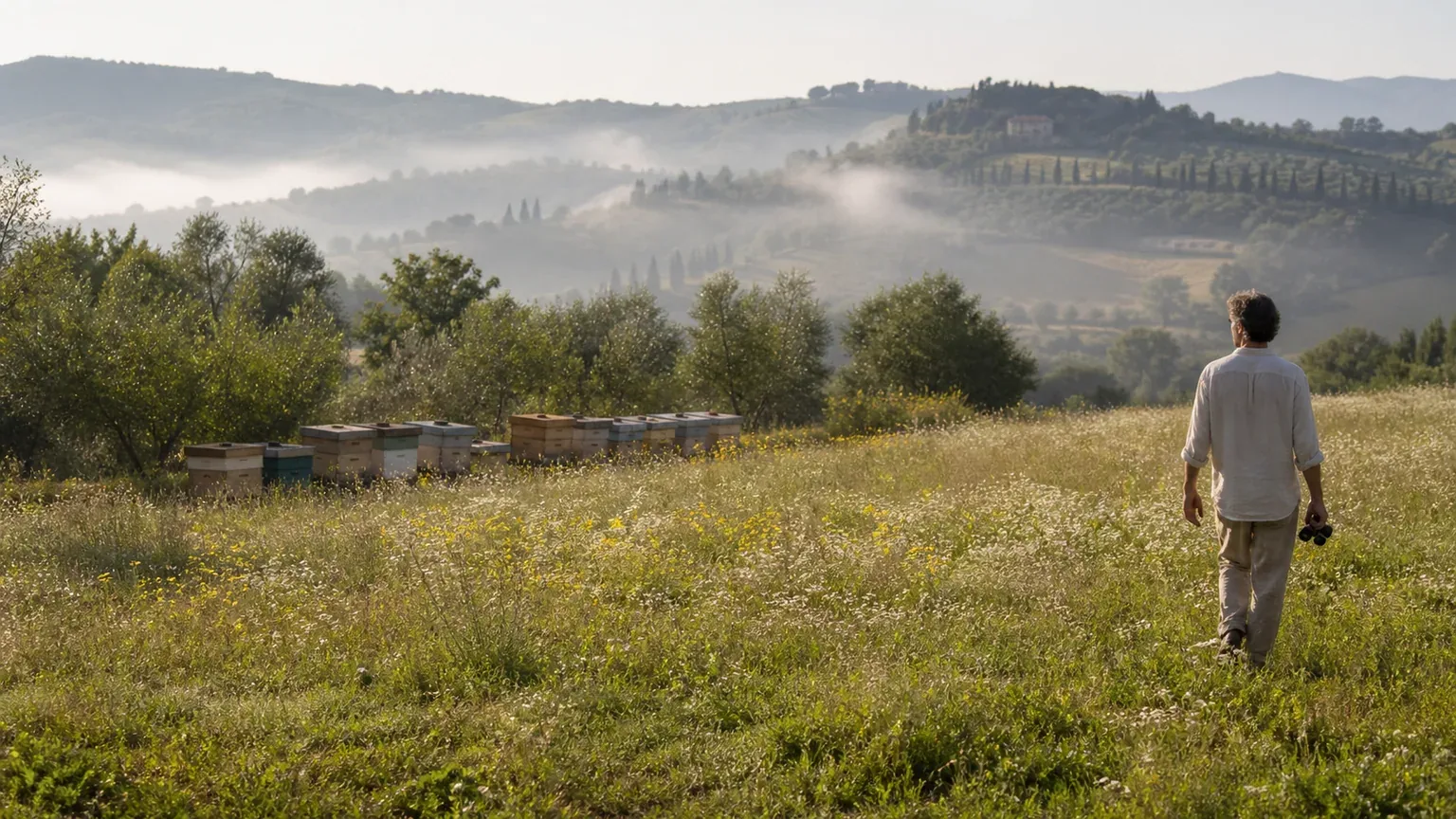
BeePatron connects the recipient with a symbolic named-hive experience at Le Gusciane in Camaiore, Tuscany. It can appeal to someone interested in bees, gardens, agriculture, Italy or the relationship between season and food.
The gift is patronage rather than legal ownership or hands-on beekeeping. It should not be presented as a biodiversity offset or a guarantee about one colony's output. Its value lies in the named connection, private Hive Room, verified seasonal context when available, certificate and plan-specific honey.
Read environmental claims with care
Words such as sustainable, regenerative, natural and pollinator-friendly can describe meaningful practices, but they are not interchangeable proof. Look for specific actions, locations, dates, responsible parties and limitations.
A high-quality gift explanation distinguishes honey bees from wild pollinators, patronage from ownership and a working apiary from a conservation guarantee. That precision does not weaken the story. It respects the recipient's intelligence and makes the provenance more credible.
Frequently asked questions
What is a good luxury gift for a nature lover?
Choose expert access, durable specialist value or a transparent connection to a real landscape rather than generic nature-themed merchandise.
What do you give a nature lover who has everything?
Give access, interpretation, restoration, shared time or a continuing story that does not duplicate their equipment.
Is sponsoring a beehive good for biodiversity?
A managed honey-bee hive and wider biodiversity are related but not identical. Evaluate the specific apiary practices and avoid treating sponsorship as a universal biodiversity claim.
Does BeePatron include hands-on beekeeping?
No hands-on visit or management should be assumed. The standard experience is a private digital patronage journey with plan-specific inclusions.
How can a nature gift feel personal?
Connect it to the way the recipient observes, studies, cultivates or returns to a particular landscape.
Give Them a Real Landscape to Follow
Choose a named Tuscan hive for someone who values bees, gardens, provenance and the rhythm of the seasons.
Choose a Hive Give BeePatron as a Gift