Educational Gifts
Best Educational Gifts From Grandparents to Grandchildren
Thoughtful learning gifts that carry family memory, invite shared questions and create conversations beyond the day they are opened.
Quick answer
The best educational gifts from grandparents to grandchildren combine the child’s real interests with a role the grandparent can continue to play. Books, memberships, tools, workshops and living seasonal experiences all work when they create questions and shared moments. A named BeePatron hive adds nature, food provenance, Tuscany and a story the family can revisit together.
Looking for an educational gift rooted in the real world?
Explore BeePatron’s named Tuscan hives and discover the meaning behind each one.
Explore the HivesA legacy gift is a practice, not a grand statement
Legacy can sound like something reserved for heirlooms. In family life it is often simpler: the way a grandparent notices the seasons, cooks a familiar food, asks careful questions or makes time to listen. An educational gift becomes a legacy gift when it carries one of those practices forward.
Choose something that leaves space for the child. The goal is not to determine an interest or demonstrate the adult’s wisdom. It is to offer a doorway and remain available if the child wants to walk through it.
Learning gifts that support a continuing relationship
Books work when grandparent and child can discuss or read them together. Museum memberships create repeat visits. Binoculars, field guides and gardening tools turn a walk or windowsill into observation. Workshops create a defined shared occasion, while subscription experiences bring prompts over time.
For each option, ask what the grandparent can realistically do next. A monthly call about one chapter may be more valuable than an ambitious kit left unopened. Distance does not prevent participation, but the gift should include a simple rhythm for staying connected.
- ●Shared books and audiobooks
- ●Museum, garden or science-center memberships
- ●Nature observation tools
- ●Cooking and food-provenance projects
- ●Workshops or making experiences
- ●Seasonal experiences with updates to discuss
Why a named hive can become a family reference point
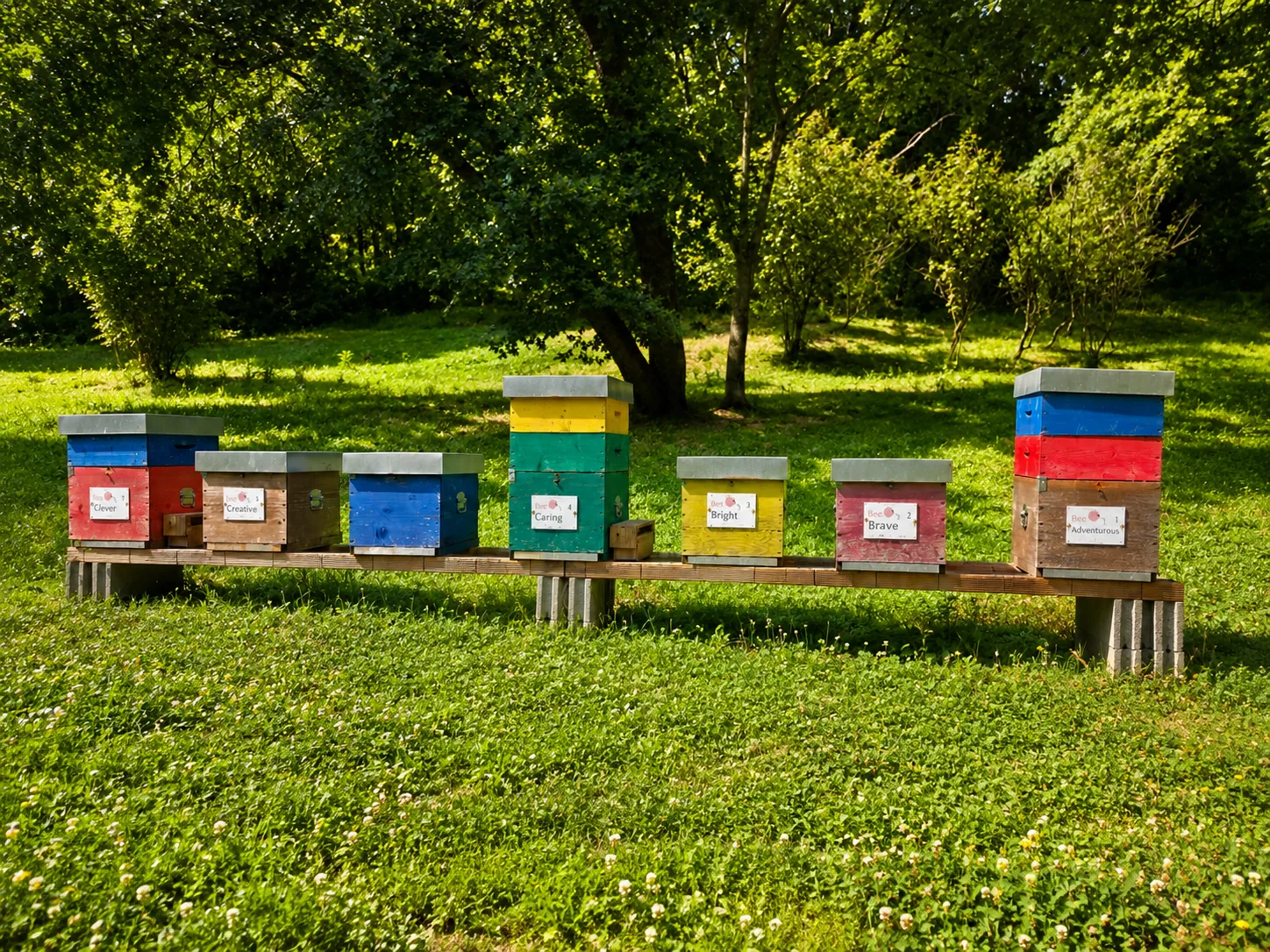
A named hive gives the story a stable subject. A grandparent might choose Bee Kind for a family value, Bee Adventurous for curiosity about the world or Bee Patient for the quality required by careful observation. The name is symbolic and should not be presented as a personality diagnosis.
The personalized certificate makes the dedication visible. The interactive map places the hive in a real Tuscan apiary, and the private Hive Room can provide seasonal updates. These elements give grandparents and grandchildren something specific to ask about over time.
Seasonal conversations without turning the gift into homework
A useful rhythm might be one question per update: What changed? What might the season explain? What would you ask the beekeeper? The adult does not need to know every answer. Looking for reliable information together models curiosity more effectively than delivering a lecture.
Avoid quizzes, performance targets or promises that the experience will improve grades. The gift can support observation and conversation without guaranteeing educational results. Follow the child’s attention. If honey tasting captures more interest than colony biology, that is still a meaningful route into food, place and sensory vocabulary.
Honey tasting and food provenance
Honey can connect an abstract apiary story to taste, texture and family ritual. Compare it with a familiar honey, notice aroma and discuss why agricultural products vary. Keep claims modest: flavor depends on many conditions, and BeePatron honey comes from the supported apiary according to package, harvest and season.
A grandparent might use the tasting to share a recipe or food memory. This is where educational gifting becomes intergenerational. The child receives information, but the family also exchanges culture and attention.
Adapt the gift for age, distance and attention
School-age children generally benefit from an adult who can provide context. Younger children may engage through pictures, maps and tasting, while older children can explore seasonal systems and source material. BeePatron does not guarantee educational outcomes, and guardians should decide what level of participation is appropriate.
At a distance, schedule a short call when a meaningful update arrives rather than creating a rigid weekly obligation. Nearby families can pair the digital journey with walks, garden observation or cooking. The best structure is light enough to survive a busy season.
- ●For younger children, use visual observation and simple questions.
- ●For older children, compare sources and seasonal explanations.
- ●For long distance, agree on an occasional shared check-in.
- ●For local families, connect the experience to food or outdoor activity.
Present the gift as an invitation
Tell the child why you chose the hive and what you hope to explore together. Avoid announcing that the gift is educational as if that were a duty. The certificate can carry the recipient’s name, while a short handwritten note creates the bridge to the grandparent.
If the child is old enough, let them choose from a small group of hive names. Choice can increase engagement and prevent the adult from assigning a quality the child does not identify with.
A practical recommendation for grandparents
Choose a book or tool when the child already has a clear interest. Choose a membership when visits are realistic. Choose a workshop when shared time can be scheduled. Choose a named seasonal experience when the family enjoys nature, stories, food and conversation across the year.
Whichever form you choose, include your role in the gift. One sentence such as ‘I would love to follow this with you’ turns a product into a relationship. That is the part grandchildren are most likely to remember.
Sources and further reading
Primary and institutional references used to review the factual claims in this guide. Product details and prices are BeePatron information.
Frequently asked questions
What is a meaningful educational gift from a grandparent?
It fits the child’s interests and creates a realistic way for the grandparent to participate after the gift is opened.
Is beehive patronage suitable for children?
It is generally best for school-age children with a parent or responsible adult who can provide context and supervise related activities.
Can grandparents and grandchildren follow the hive together at a distance?
Yes. Occasional calls around seasonal updates can create a manageable shared ritual.
Does the child own the hive?
No. BeePatron is a patronage experience and does not transfer legal ownership or exclusive access.
Does the honey come from the exact named hive?
No. Honey comes from the supported apiary according to the package and season.
Does BeePatron guarantee learning outcomes?
No. It creates material for observation and conversation, but engagement and outcomes vary.
Give Them Something You Can Keep Discovering Together
Choose a named hive in Tuscany and begin a family story shaped by seasons, questions and shared attention.
Choose a Hive Give BeePatron as a Gift