
Honey Gift Guide
Is Honey a Good Gift? Occasions, Etiquette & Delivery
Honey can be a thoughtful consumable gift when provenance, dietary fit, presentation and delivery are handled well. Use this guide before choosing a jar or experience.
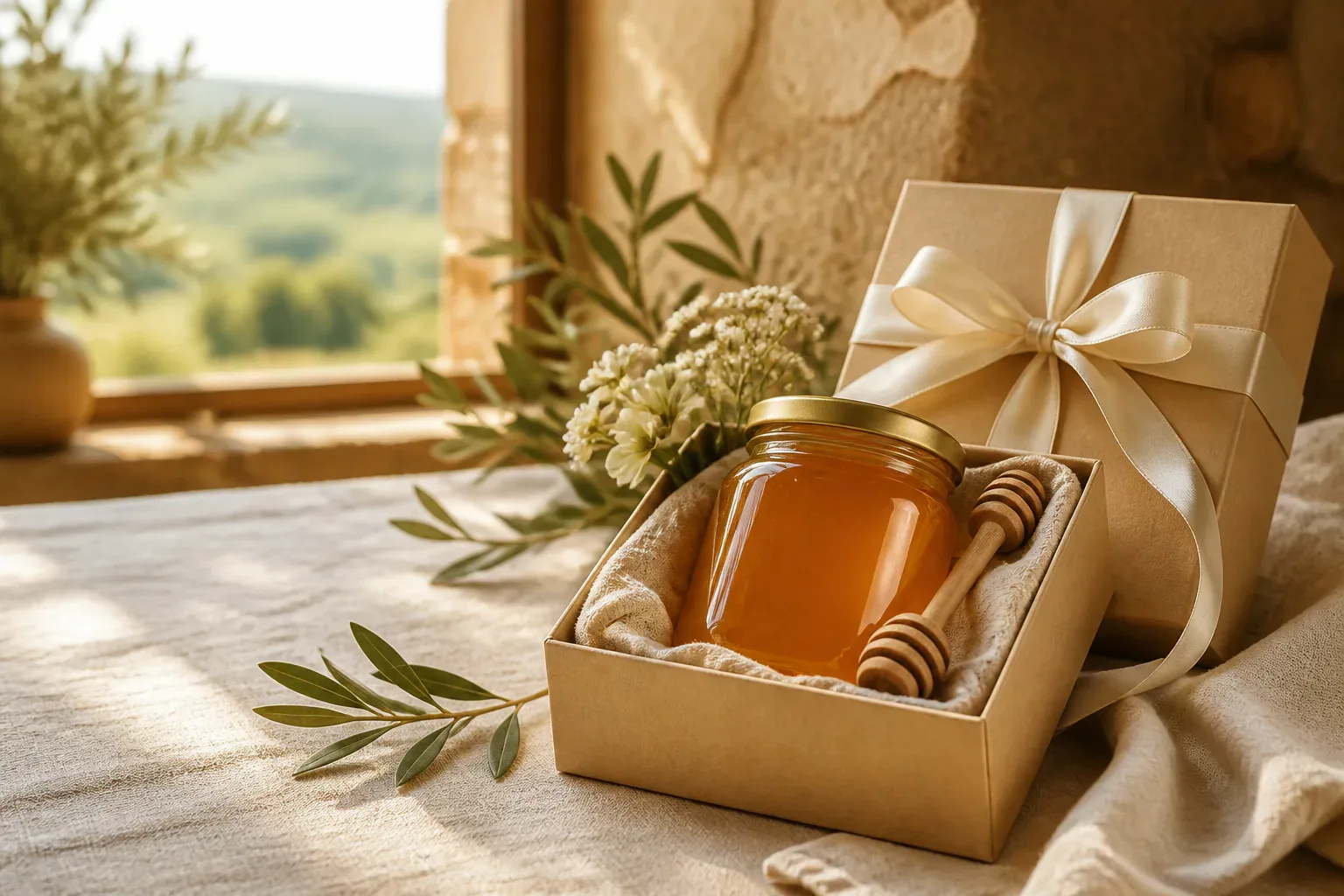
Quick answer
Honey can be a good gift for hosts, food lovers, gardeners, teachers, clients and people who appreciate provenance, provided it fits their diet and household. Choose a clearly labeled product from an identifiable producer, check ingredients and destination rules, and explain why that honey suits the recipient. Avoid gifting honey to an infant or presenting it as a medical treatment. For someone who already owns enough objects, a honey gift connected with a real apiary or seasonal experience can add meaning beyond a generic food hamper.
| Criterion | Why it can work | What to check |
|---|---|---|
| Host gift | Useful, shareable and does not demand display space. | Diet, household preferences and whether food gifts are welcome. |
| Celebration | Can symbolize sweetness, abundance and a good new chapter. | Use symbolism lightly and prioritize the recipient's taste. |
| Corporate gift | Scalable, provenance-led and easy to personalize. | Policy, allergens, value limits, address consent and international delivery. |
| Apiary experience | Adds a continuing story, certificate and seasonal context. | Ownership language, fulfillment timing and actual plan inclusions. |
Looking for an educational gift rooted in the real world?
Explore BeePatron’s named Tuscan hives and discover the meaning behind each one.
Explore the HivesWhy honey can make a thoughtful gift
Honey sits between everyday usefulness and sensory discovery. It can be tasted, shared, paired and used without becoming permanent household clutter. A floral origin, harvest and named producer give the jar a story that generic sweets may lack.
The gift becomes stronger when the giver can answer three questions: why this honey, why this producer and why this recipient? A small jar with a clear reason can feel more personal than a large assortment selected only for visual abundance.
Occasions when honey fits naturally
Honey can suit a host or housewarming gift, a winter food basket, a teacher or mentor thank-you, a client milestone, a wedding breakfast or a gift for someone interested in gardens and regional food. It works especially well when a consumable is more welcome than another object.
Symbolism should support rather than dominate. Sweetness can express a warm wish, and bees can suggest cooperation or care for a shared system, but not every recipient wants symbolism explained at length. One sincere sentence is usually enough.
- ●Host and housewarming gifts
- ●Thank-you and mentor gifts
- ●Weddings, anniversaries and new beginnings
- ●Client and employee appreciation
- ●Food, garden and nature enthusiasts
- ●Low-clutter gifts for established households
Check dietary and household fit first
Read the ingredient and allergen information rather than assuming every honey gift contains only honey. Gift boxes can include nuts, flavorings, alcohol, cosmetics or baked goods. Dietary practice, diabetes management, vegan choices and personal preference may also make honey unsuitable for a particular recipient.
Honey should not be given to infants under 12 months because of infant botulism risk. For households with a baby, give the product clearly to the adults and never imply that it is appropriate infant food. Do not attach disease-treatment or guaranteed health claims to a gift.
How to choose a high-quality honey gift
Look for the legal product name, country of origin, responsible producer or packer, net quantity and required date or lot information. Botanical names such as acacia or chestnut should belong to the actual product, not merely the decorative theme of the box.
Choose flavor with the recipient in mind. Delicate acacia-style honey can suit tea or mild foods. Chestnut may appeal to someone who likes assertive, gently bitter notes. Wildflower offers seasonal variation. A tasting pair can be useful when the recipient enjoys comparison rather than one presumed favorite.
Plan shipping and presentation before ordering
Glass jars are heavy and breakable, and food shipments can face heat, leakage, customs or destination restrictions. Confirm that the seller supports the recipient's address, understands required documentation and states who pays duties or taxes. Do not promise an arrival date the provider does not guarantee.
For a local gift, keep the presentation simple and protect the jar. A note can name the floral source, producer and one serving idea. For a digital-first apiary experience, explain what the recipient can open now and what physical fulfillment follows after harvest.
Choose between a jar, tasting set and apiary experience
Choose one jar when you know the recipient's preferences and want a modest, useful gesture. Choose a tasting set when comparison is part of the pleasure. Choose an apiary-linked experience when the recipient values the people, place and seasonal work behind the product.
A beehive adoption gift should be described accurately. It is normally patronage rather than legal colony ownership, and plan-specific honey may come from the supported apiary rather than one isolated hive. The certificate and digital experience can create the immediate gift moment while harvest fulfillment follows later.
Sources and further reading
Primary and institutional references used to review the factual claims in this guide. Product details and prices are BeePatron information.
Frequently asked questions
Is honey a good housewarming gift?
It can be, especially when the household welcomes food gifts. Choose a clearly labeled jar, add a short note and avoid imposing a large hamper or subscription.
Can I give honey to a family with a baby?
Give it only for the adults and clearly remember that infants under 12 months should not consume honey because of infant botulism risk.
Which honey is best for a gift?
The best choice fits the recipient. Acacia is typically delicate, chestnut more assertive and wildflower more variable. Traceable origin and good labeling matter more than a universal ranking.
Can honey be shipped internationally as a gift?
Sometimes, but food-import rules, duties, packaging and carrier restrictions vary. Use a seller that explicitly supports the destination.
Give the story behind the honey
Choose a named-hive experience with a certificate, private Hive Room and plan-specific Tuscan honey.
Choose a Hive Give BeePatron as a Gift