Tuscan Table
Honey and Olive Oil Pairing Guide: A Simple Tuscan-Inspired Table
Two familiar ingredients can create a thoughtful tasting. Learn what to notice, how to balance a dressing and how to serve both without hiding their character.
Quick answer
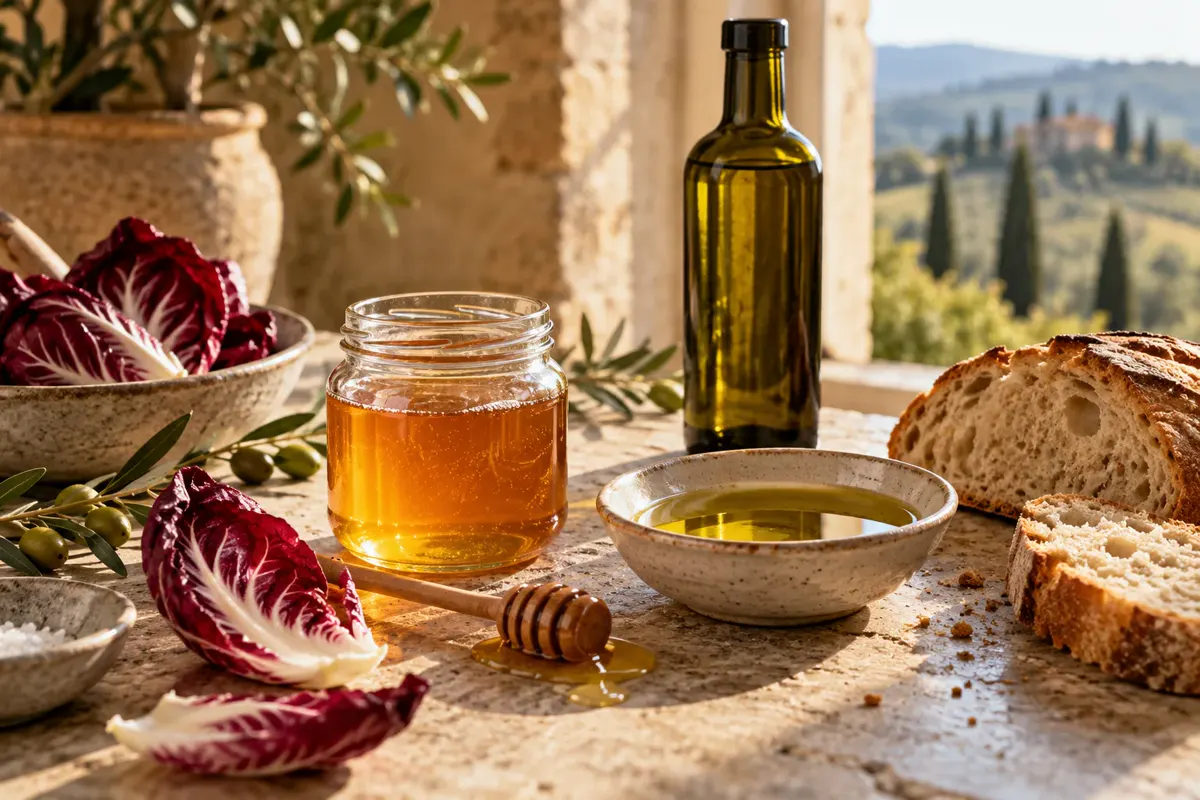
Honey and olive oil work together when each has a clear job: oil carries aroma and texture, while a small amount of honey softens bitter or acidic edges. Taste both separately first. For a simple vinaigrette, whisk olive oil with lemon or vinegar, add honey gradually, then adjust acidity and salt. Try it on bitter greens, roasted vegetables or fresh cheese. The best combination depends on the actual jars, so begin with small portions and let your palate decide.
Begin with the jars, not a fixed rule
A Tuscan-inspired table can be beautiful with just bread, a good olive oil and a little honey. The value is in paying attention to the ingredients, not claiming that one pairing is the only traditional way to serve them. Choose products with a named producer and a clear origin, then look at the labels before planning the rest of the meal.
Honey varies with floral source, season and handling. Olive oils vary with olives, harvest and processing. Even two jars bearing the same regional description may behave differently. Write down the names of the actual bottles and jars; a useful pairing note describes what you tasted, not what the packaging promised.
Taste honey and oil separately before combining
Set out tiny portions of each ingredient and a glass of water. Notice the honey's aroma, sweetness, texture and finish, then taste a small amount of oil separately. UC Davis teaches honey tasting as a sensory sequence, beginning with appearance and aroma before flavor. You do not need a professional vocabulary to notice whether a jar feels delicate, floral, earthy or assertive.
Olive oil has its own sensory profile. Fruitiness, bitterness and a peppery sensation can all be part of an extra virgin oil's character; bitterness alone is not a reason to cover it with sugar. Try plain bread as a neutral bridge between samples. Avoid tasting a strongly dressed salad first, because garlic and vinegar can make quieter honey aromas difficult to notice.
Decide what the pairing should accomplish
A light, mild honey can add sweetness without dominating a fruity oil. A more assertive honey can stand beside bitter greens, aged cheese or roasted vegetables, although the exact result depends on the batch. Think of these as starting hypotheses: taste one bite and change the amount if the first combination covers the ingredient you wanted to feature.
If the oil has a strong peppery finish, begin with very little honey and an acidic ingredient rather than making a syrupy sauce. If the honey is especially fragrant, choose a simpler oil or serve the two separately so the aroma stays visible. There is no award for using the most intense version of everything at once. Balance can be quiet.
Build one flexible honey and olive oil vinaigrette
For a small bowl of greens, start with three tablespoons of olive oil and one tablespoon of lemon juice or vinegar. Whisk in a half teaspoon of honey, a pinch of salt and, if you like, a little mustard. Taste the dressing on a leaf rather than directly from the spoon. A leaf changes the balance, and more honey is easy to add but difficult to remove.
This is a kitchen starting point, not a formula that every honey must obey. Thin sharp vinegar may need a different adjustment from sweet citrus; a robust oil may need more acid or less of itself. The National Honey Board publishes olive-oil vinaigrettes with varied proportions, a useful reminder that a recipe is a tested example rather than a universal sensory law.
- ●Whisk the acid, honey and salt first so the honey disperses.
- ●Stream in the oil while whisking, or shake in a closed jar.
- ●Taste on the food; adjust with acid before adding more sweetness.
- ●Dress just before serving when crisp leaves are involved.
Try three small serving experiments
First, place bitter leaves such as radicchio beside a sweeter fruit and use a restrained vinaigrette. Second, spoon a little honey over a fresh cheese and offer olive-oil-dressed bread separately. Third, finish warm roasted carrots with a small drizzle of the dressing. Each setting changes what the honey contributes: contrast, fragrance or a glossy final note.
Serve each experiment as a taste rather than a full plate if you are comparing jars. Label the honey and oil, keep a spoon for each and ask guests which flavor stayed with them. An ordinary meal can become a small discovery without a formal tasting kit. Check allergies and dietary needs before planning for other people.
Keep the ingredients legible
The easiest mistake is adding honey until the dressing tastes good by itself, then finding it too sweet on the finished plate. Another is using an intensely flavored oil, strong vinegar, garlic and a robust honey together without first tasting the parts. Make one change at a time and keep a note of what improved the bite.
Do not infer honey purity or geographic origin from color, thickness or how it combines with oil. Those are not reliable authenticity tests. Read the producer, origin and batch information instead. If a honey is crystalline, work a small amount into the acid before adding oil; there is no need to heat the whole jar for one dressing.
Turn the table into a gift with a story
For a food lover, pair a clearly labeled honey with an olive oil from a producer they can learn about. Include a handwritten card with the simple vinaigrette, one suggested dish and space to record their favorite combination. The card does more work than decorative filler because it gives the recipient a first evening with the ingredients.
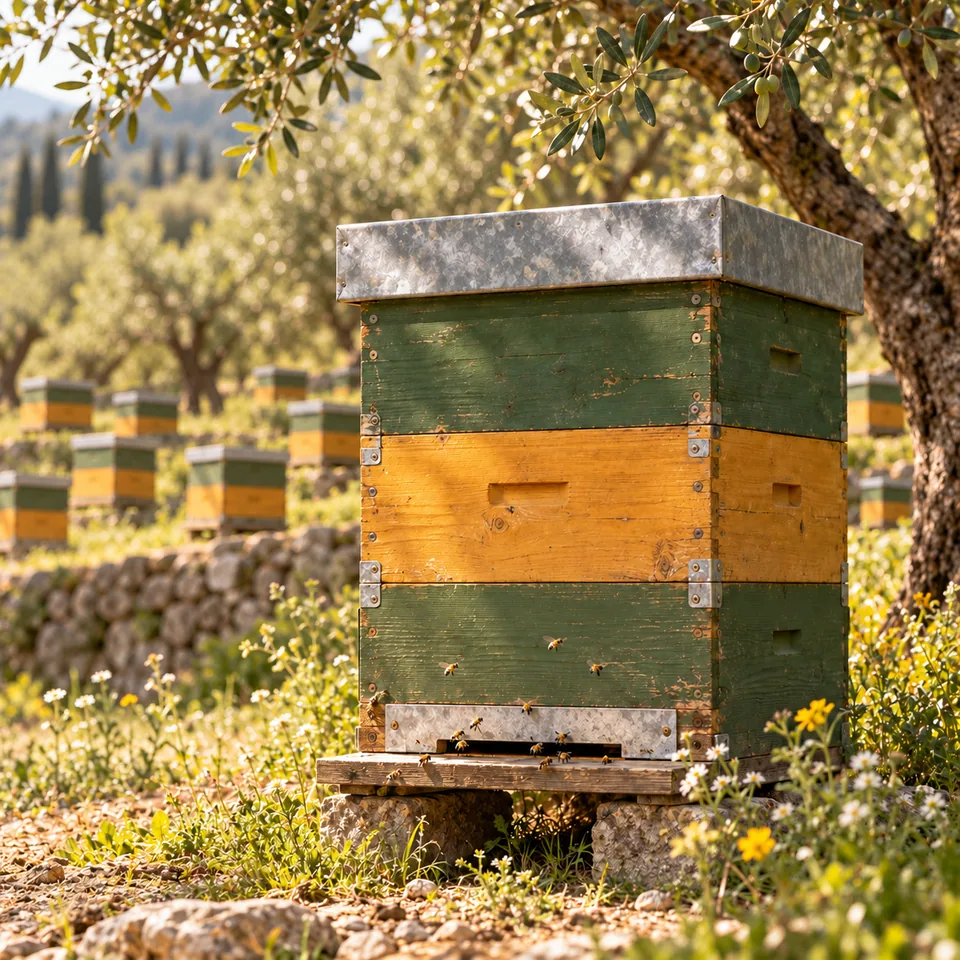
BeePatron can extend that interest in honey to a named hive and seasonal updates from a Tuscan apiary. Check the current plan before promising a particular floral variety or shipment date. BeePatron is a patronage experience in Tuscany. Patronage does not transfer legal ownership. Honey comes from the supported apiary according to the selected package, harvest and season. The table is your own serving idea; the apiary experience is the continuing connection behind it.
Sources and further reading
Primary and institutional references used to review the factual claims in this guide. Product details and prices are BeePatron information.
Frequently asked questions
Do honey and olive oil go together?
Yes. Honey can provide a small sweet counterpoint to an oil's fruitiness or bitterness, especially when acidity gives the mixture structure. Begin with small amounts and taste the finished dish.
What honey should I use in a vinaigrette?
Use the honey you enjoy and adjust the quantity to its intensity. A delicate honey and a bold honey can both work, but they will create different results with the same oil and vinegar.
Can I serve honey and olive oil without mixing them?
Yes. Serve separate small portions with bread, cheese or fruit so guests can compare the ingredients first and combine them only if they wish.
Does a thicker honey mean a better pairing?
No. Texture changes with composition, temperature and crystallization. Pair by flavor and balance, and use traceability and producer information for questions about origin.
Your next chapter starts in Tuscany
Turn your next spoonful into a Tuscany story.
Adopt a named hive at Le Gusciane, follow its seasons in your private Hive Room and receive premium raw Tuscan honey with a personalized label.
Choose your package, then select your hive name in your private Hive Room after adoption.
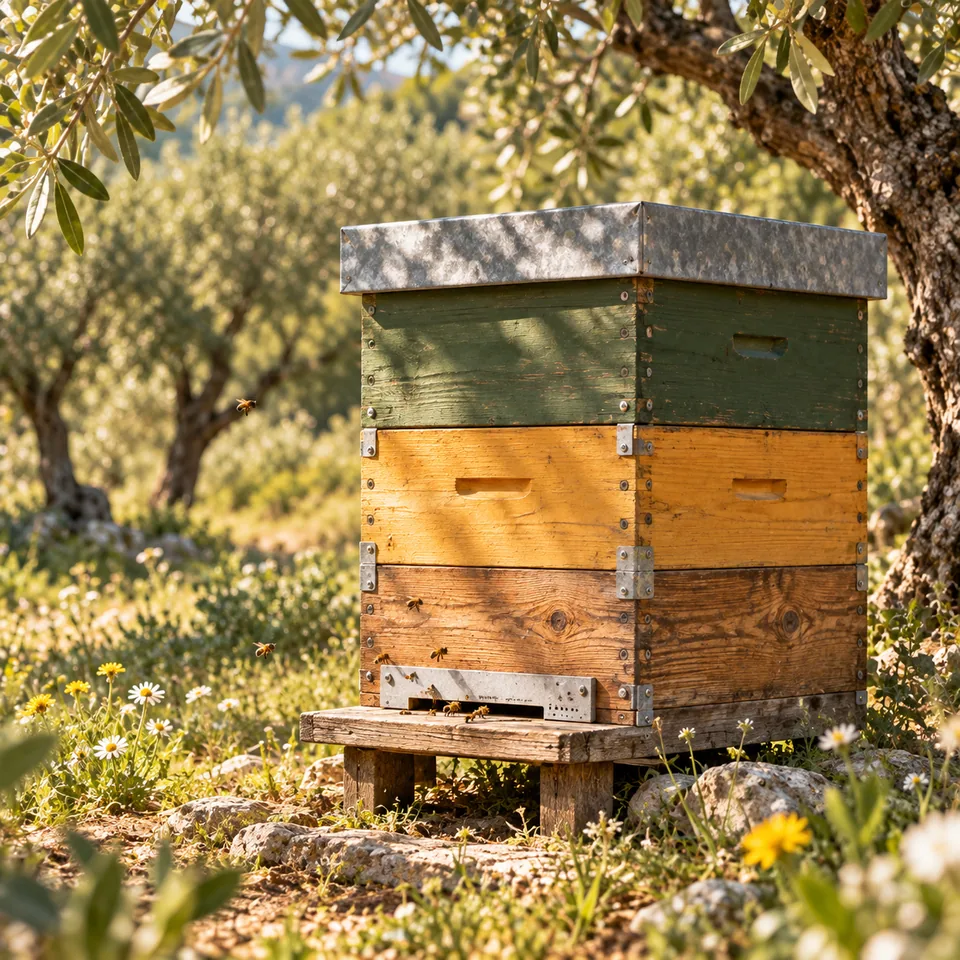
Your connection to Tuscany
Hive Experience
$129USD
One payment · One full year
- Live apiary camera & your private Hive Room
- Seasonal stories from your beekeeper
- Personalized digital & printed certificates
1.1–4.4 lb of premium raw Tuscan honeyAnnual harvest shipment. Amount depends on the harvest.
Shipping included
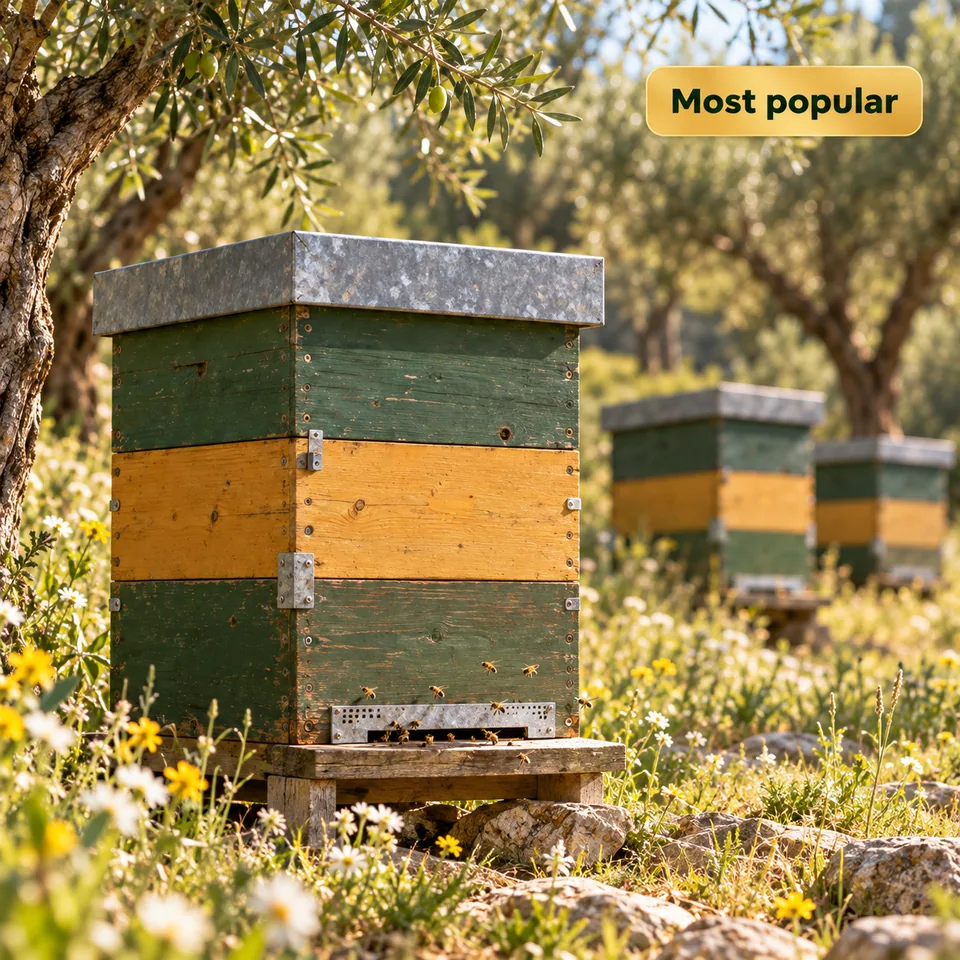
Tuscany, shared together
Family Hive Experience
$229USD
One payment · One full year
- Twice the honey range, with Wildflower & Acacia
- Honey recipes & digital Guided Honey Tasting
- Hive Room, live camera, beekeeper stories & certificates
2.2–8.8 lb of premium raw Tuscan honeyAnnual harvest shipment. Amount depends on the harvest.
Shipping included
Your private Tuscan patronage
Private Hive Patron
$599USD
One payment · One full year
- Your personal name plaque at the apiary
- Personal beekeeper updates & live apiary camera
- Personalized certificates, recipes & Guided Honey Tasting
13.2–22 lb of premium raw Tuscan honeyAnnual harvest shipment. Amount depends on the harvest.
Shipping included
Secure payment with Stripe · Shipping included in every package
What happens after I order?
You'll receive your adoption confirmation and access to your private Hive Room, where you can choose your hive name and follow seasonal updates. Your personalized digital certificate is part of the experience.
When does the honey arrive?
Your package includes an annual harvest shipment of premium raw Tuscan honey and a printed certificate. Timing follows the harvest and packing schedule. See shipping details before ordering for a specific date.
Can I give it as a gift?
Yes. Choose “As a gift” above, select a package and add your recipient's name and personal message. You can send the gift email now, schedule it or have it sent to you to present yourself. Honey delivery follows its own shipping schedule.