Learn together
Pollination Activities for Kids: Three Hands-On Lessons
Help children explain how pollen moves, watch flower visitors and separate a real observation from a guess. Three manageable activities for families, with an indoor option.
Quick answer
Start with a paper-flower model of pollen transfer, then watch one patch of flowers for three minutes, and finish by sorting statements into observations and guesses. Our suggested activities suit roughly ages 7–12 with an adult adapting the pace. You need simple craft supplies, a pencil and a timer. No bee handling or hive opening is involved.
| Activity | Suggested time | What the child practices |
|---|---|---|
| Paper-flower pollen transfer | 10–15 minutes | Explaining how material moves between flower parts. |
| Watch one flower patch | 3 minutes watching, plus setup | Recording visits within a defined place and time. |
| Observation or guess? | 10 minutes | Matching a statement to evidence and identifying what remains unknown. |
Start with one idea the child can demonstrate
Pollination is the transfer of pollen from an anther, a pollen-producing flower part, to a stigma, the receptive part. The USDA Forest Service explains that this transfer can lead to fertilization and the development of seeds. Begin with the movement of pollen; the later steps can wait until the child is ready to ask about them.
Use one question throughout the activities: ‘How could pollen get from here to there?’ Draw two simple flowers and invite the child to show a possible route with a finger. Listen to the explanation before correcting vocabulary. You will return to the same question after making a model and observing outdoors.
Make the goal small enough to finish. By the end, the child should be able to describe one way pollen moves and give one observation they actually made. Memorizing every flower part or naming every insect is optional.
Research and references
Prepare a small kit and choose the setting
Set aside two sheets of paper, pencils, a cotton swab, a little washable craft paint, a covered work surface and a timer. An adult can prepare the flower outlines in advance. For a paint-free version, use a pencil to mark each place the pretend visitor touches and draw arrows between the marks.
For the outdoor activity, choose flowers that can be observed from a path or another comfortable place without disturbing them. An adult should check the surroundings and stay with the child. Leave insects, nests and hives alone; the task is to watch visitors arriving at flowers.
If the weather is unsuitable, the flowers are out of season or the child prefers to stay indoors, complete the model and evidence game now. A photograph can support observation, but it cannot provide a three-minute count. Save the outdoor activity for another day rather than inventing a result.
- ●Craft kit: paper, pencil, cotton swab, washable paint and a surface cover.
- ●Observation kit: timer, pencil and a notebook or the worksheet below.
- ●Adult's job: set up the materials, choose the location and help record.
- ●Child's job: predict, try, describe and ask a question.
Activity 1: move pretend pollen between paper flowers
Draw two flowers of the same imaginary species. On each, label a small area ‘anther’ and another ‘stigma.’ Put a tiny dab of paint on the first flower's anther. The cotton swab represents the part of an insect that touches a flower; the paint represents pollen.
Touch the swab to the painted area, then to the second flower's stigma. Ask the child to point out where the color started, where it traveled and where it ended. The National Park Service also uses simple models to teach pollen transfer; this is our suggested paper-and-paint adaptation.
Repeat on a fresh drawing, this time touching only a petal. Compare the marks. Explain that a visit somewhere on a flower is different from delivering suitable pollen to its receptive part. The model shows movement, but it does not demonstrate fertilization or prove that a real seed will form.
- ●Predict: where do you think the paint will appear?
- ●Try: make one transfer and look at both the swab and paper.
- ●Explain: name the starting place, carrier and destination.
- ●Reflect: what can our paper model show, and what can it not show?
Research and references
Activity 2: watch one patch for three minutes
Choose a small patch you can see without moving around. Draw its boundary in your notebook or describe it precisely, such as ‘the three open flowers beside the gate.’ Write the date, time and weather. Agree that the observation will last three minutes and that you will count landings on those flowers.
Give one person the watching role and another the recording role. Record broad groups you can recognize, such as bee, butterfly, fly or unknown insect. Do not force a species identification. Our simple family version counts flower-landing events, so a returning insect may contribute more than one visit.
The University of Illinois I-Pollinate instructions provide a short timed-observation example and explicitly include recording zero when no visitors appear. These family notes are a learning exercise. If you later join a research project, follow that project's current method and participation requirements.
- ●Start the timer only when everyone is ready.
- ●Count landings on the chosen open flowers, not insects passing overhead.
- ●Keep an ‘unknown’ category for visitors you cannot identify.
- ●Record zero if there are no visits during the observation.
- ●Finish by noting anything that made counting difficult.
Research and references
Activity 3: play ‘observation or guess?’
Write four statements on separate pieces of paper. Use details from your activity, then add one explanation you have not checked. Ask the child to sort the cards into ‘we observed this,’ ‘we think this’ and ‘we need more information.’ Leave space for disagreement and explanation.
For example, ‘We counted two landings’ can be an observation if that is what the sheet records. ‘Those were two different bees’ may be uncertain because one insect could have returned. ‘This is every bee in the garden’ goes far beyond a short watch of one patch.
Ask what additional evidence might help. A longer observation, a clearer photograph or help from a knowledgeable adult could answer different questions. The aim is to practice revising a statement. An honest ‘I cannot tell yet’ is a useful result, not a failed activity.
- ●Example card: ‘The insect touched the flower.’
- ●Example card: ‘The insect definitely delivered pollen.’
- ●Example card: ‘No insects landed during our three-minute watch.’
- ●Example card: ‘There are no insects anywhere in this garden.’
- ●Replace the example numbers and descriptions with your own observations.
Copy this simple observation sheet
Use one page for each session so that a later visit does not get mixed into the earlier result. An adult can write while the child watches, or the child can draw the patch and use tally marks. The record should be easy enough to complete while the event is still fresh.
For a photograph-based session, write ‘photo observation’ and record the image source and date if known. Describe visible features instead of filling in a timed count. Keeping these two kinds of evidence separate helps children understand why a picture and a field observation answer different questions.
- ●Date, time and place: __________
- ●Today's method: live flower watch / photograph / paper model.
- ●Flower patch or image description: __________
- ●Weather and watching time, if outdoors: __________
- ●Recorded visits: bees ___ butterflies ___ flies ___ unknown ___.
- ●One thing I observed: __________
- ●One possible explanation: __________
- ●One question to explore next: __________
Adapt the activity without turning it into a test
For a child who prefers drawing, let the drawing carry the explanation and write their words underneath. For a child who enjoys numbers, compare two sessions while recording any differences in weather, flowers and watching time. Avoid declaring one patch ‘better for all bees’ from one brief comparison.
For a younger participant, shorten the watch and focus on one visible action, such as landing or leaving. For an older child, ask how they would make a fairer comparison. You can assign different roles in the same family: observer, timekeeper, recorder and question collector.
Broaden the conversation beyond honey bees. The National Park Service describes many animal pollinators and also notes that some plants use wind or water or can self-pollinate. A child who spots a fly on a flower has found something worth discussing, even if the day began as a bee activity.
Research and references
Connect the lesson with a real apiary story
End by asking the child to explain the paper model to someone who was not there. Let them choose one observation to share and one question to keep. This creates a clear finish without requiring a display board or a long report.
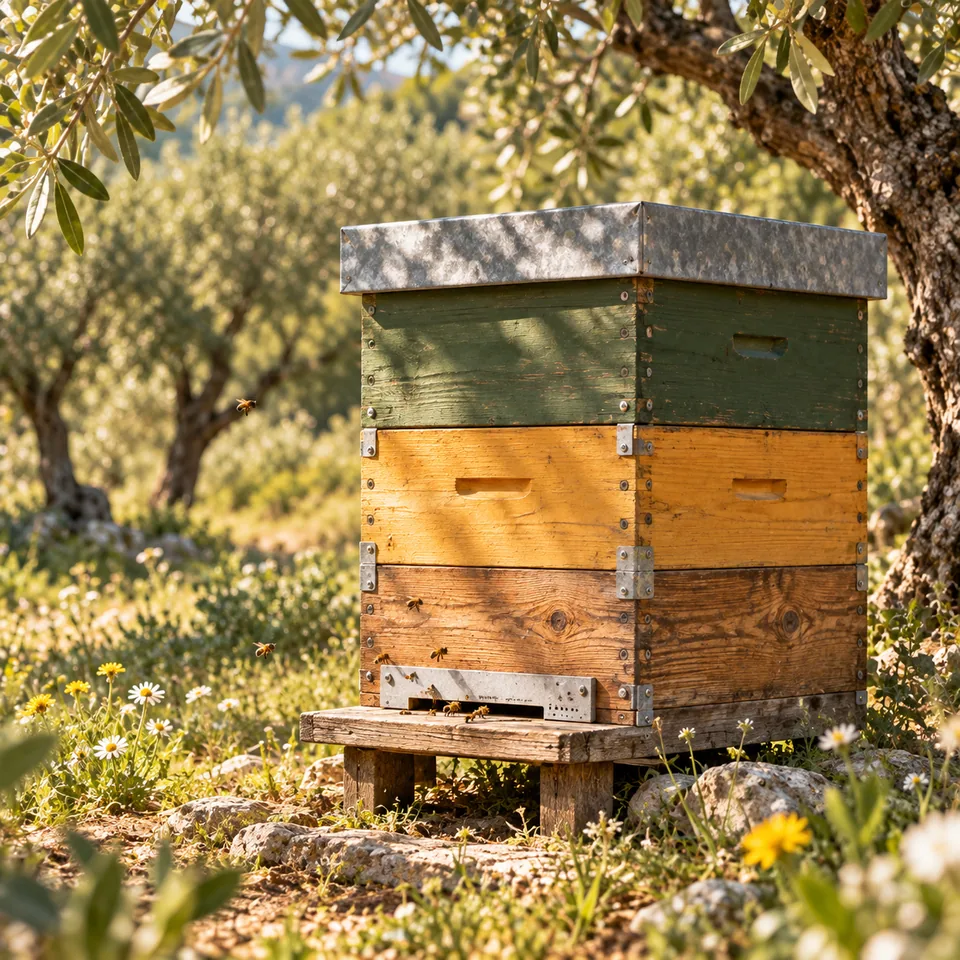
If your family enjoys returning to the subject, BeePatron offers a connection with a named hive in Tuscany. Use available apiary updates as prompts for further questions, then return to your own local observations. A Tuscan apiary and a nearby flower patch are different places; label each clearly in the child's notes.
Choose a package based on the current experience details. Honey comes from the supported apiary according to the selected package, harvest and season. Patronage does not transfer legal ownership. The craft materials and activities in this guide are suggestions for families to prepare themselves.
To make the experience a gift, include a notebook and a personal invitation: ‘Let's find out what visits our flowers, then follow the Tuscan hive together.’ Set aside time for the first activity so the present begins with something you do together.
Sources and further reading
Primary and institutional references used to review the factual claims in this guide. Product details and prices are BeePatron information.
Frequently asked questions
What age are these pollination activities for?
We suggest roughly ages 7–12 with an adult adjusting the writing, timing and explanation. Younger children can draw or describe a single action; older children can design a more careful comparison.
Can we do the activities without a garden?
Yes. Make the paper-flower model and play the evidence game indoors. A clearly sourced photograph can support a separate observation activity. Use a safe, permitted flower patch for the timed watch when one is available.
What if no bees visit the flowers?
Record what happened, including zero visits. Other insects may be worth noting, and a short observation cannot establish whether bees are absent from the wider area. You can return on another suitable day.
Does every flower visitor pollinate the flower?
A visit alone does not prove successful pollen transfer. The animal needs to move suitable pollen to a receptive flower part. That is why the activity distinguishes an observed landing from a conclusion about pollination.
Do we need to open a hive or handle bees?
No. These activities use craft materials, photographs and observation from a suitable place. Leave bees, nests and hives undisturbed and follow an adult's guidance.
Your next chapter starts in Tuscany
Give their curiosity a real hive to follow.
Share seasonal beekeeper stories, explore the apiary from home and look forward to premium Tuscan honey together. The beekeepers take care of the hive.
Choose a package, then add their name, your message and the gift email timing.
Your connection to Tuscany
Hive Experience
$129USD
One payment · One full year
- Live apiary camera & your private Hive Room
- Seasonal stories from your beekeeper
- Personalized digital & printed certificates
1.1–4.4 lb of premium raw Tuscan honeyAnnual harvest shipment. Amount depends on the harvest.
Shipping included
Personalize this gift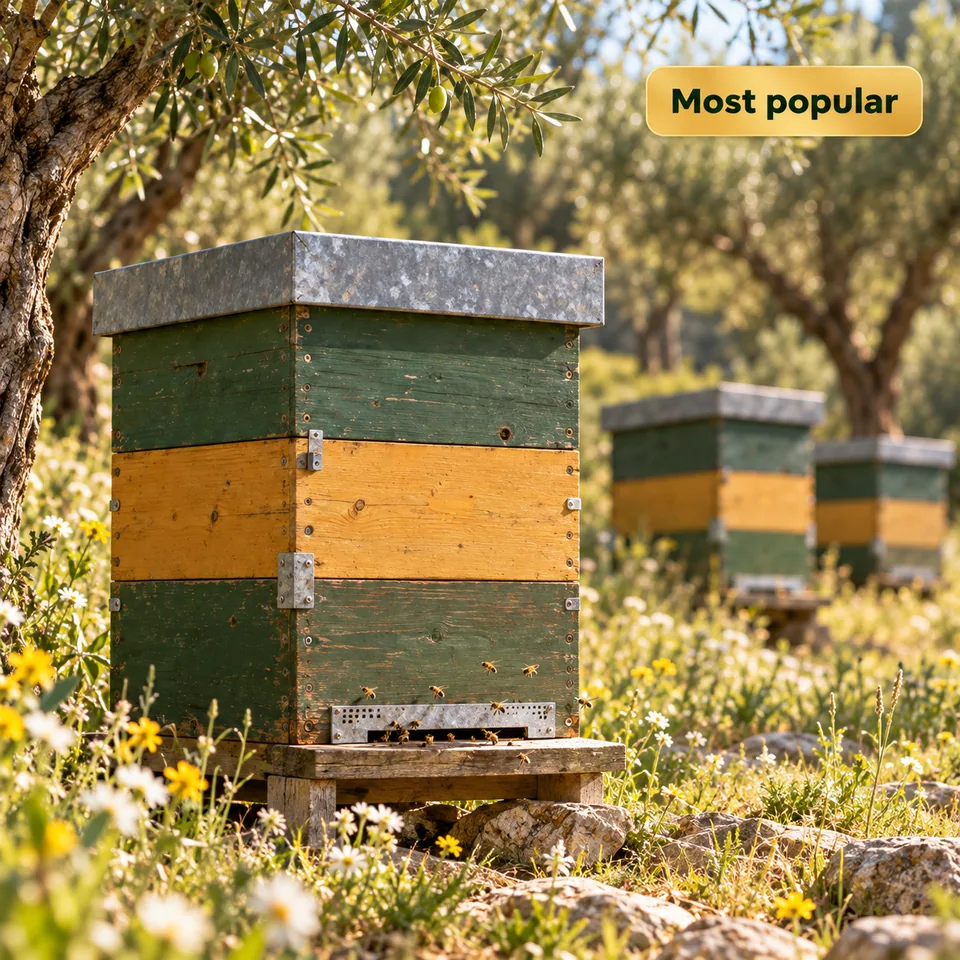
Tuscany, shared together
Family Hive Experience
$229USD
One payment · One full year
- Twice the honey range, with Wildflower & Acacia
- Honey recipes & digital Guided Honey Tasting
- Hive Room, live camera, beekeeper stories & certificates
2.2–8.8 lb of premium raw Tuscan honeyAnnual harvest shipment. Amount depends on the harvest.
Shipping included
Personalize this gift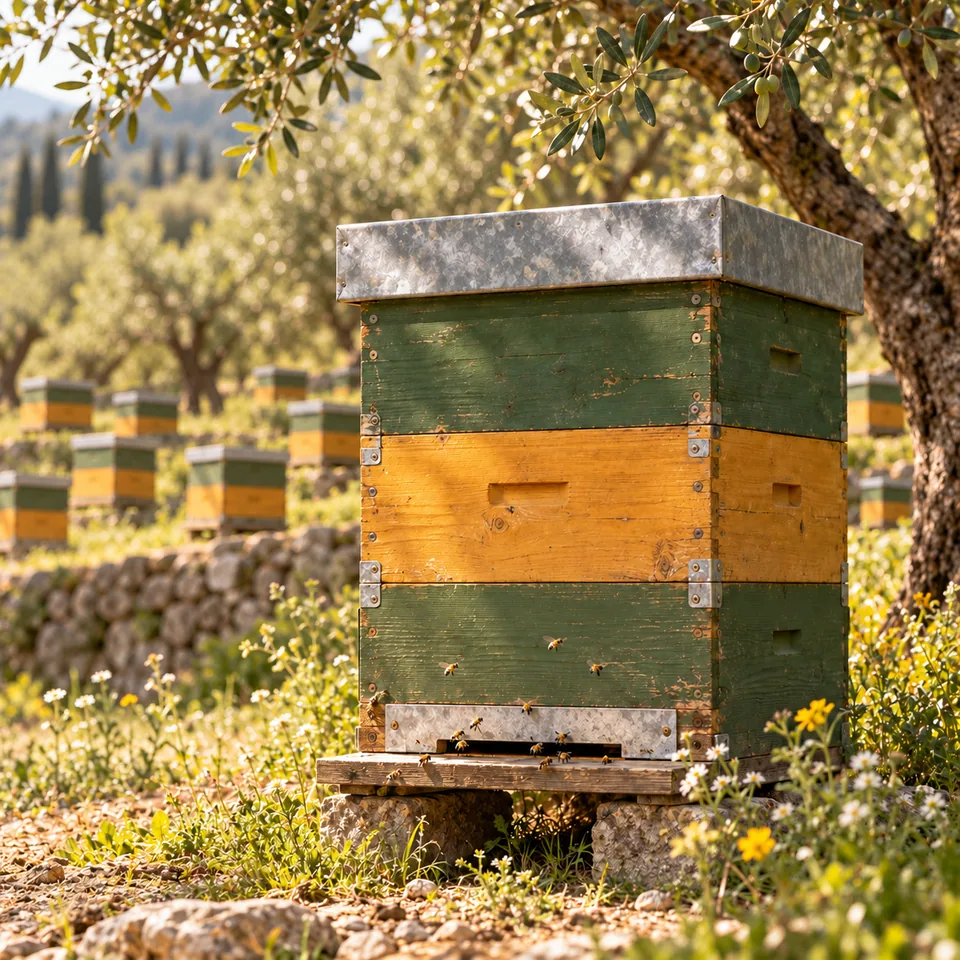
Your private Tuscan patronage
Private Hive Patron
$599USD
One payment · One full year
- Your personal name plaque at the apiary
- Personal beekeeper updates & live apiary camera
- Personalized certificates, recipes & Guided Honey Tasting
13.2–22 lb of premium raw Tuscan honeyAnnual harvest shipment. Amount depends on the harvest.
Shipping included
Personalize this giftSecure payment with Stripe · Shipping included in every package
What happens after I order?
You'll receive your adoption confirmation and access to your private Hive Room, where you can choose your hive name and follow seasonal updates. Your personalized digital certificate is part of the experience.
When does the honey arrive?
Your package includes an annual harvest shipment of premium raw Tuscan honey and a printed certificate. Timing follows the harvest and packing schedule. See shipping details before ordering for a specific date.
Can I give it as a gift?
Yes. Choose “As a gift” above, select a package and add your recipient's name and personal message. You can send the gift email now, schedule it or have it sent to you to present yourself. Honey delivery follows its own shipping schedule.
Continue exploring
Explore a family hive experience
See how a continuing nature experience can fit into family life.
Read nextBeehive adoption for kids
Understand the experience and the adult's role before choosing a gift.
Read nextHow bees make honey
Follow the next question from nectar collection to food stores.
Read next