Honey at the table
Honey and Tea Pairings: Find Your Favorite Cup
A practical guide to matching the honey in your cupboard with the tea you already drink, with six starting combinations, a small tasting experiment and fixes for an unbalanced cup.
Quick answer
For honey and tea pairings, match intensity first: try a delicate honey with a light tea and a fuller-flavored honey with a robust brew. Start with 1/2 teaspoon in an 8 fl oz cup, stir and taste before adding more. The pairings and amounts below are our suggested starting points, not fixed rules. Your particular jar and tea matter more than their names.
| Tea you enjoy | Honey profile to try | What to notice |
|---|---|---|
| Green tea | A mild, lightly floral honey; try acacia if your jar tastes delicate. | Can you still recognize the tea after sweetening? |
| English Breakfast or Assam | A medium or full-flavored honey, including a wildflower jar you enjoy. | Does the honey add another flavor, or only more sweetness? |
| Earl Grey | A delicate floral honey. | Does the bergamot remain clear alongside the honey's aroma? |
| Roasted oolong | A honey you describe as warm, nutty or caramel-like. | Do the roasted and honey notes sit comfortably together? |
| Chamomile infusion | A mild honey with a short, gentle finish. | Does the infusion remain recognizable rather than becoming syrupy? |
| Rooibos or a spice infusion | A bolder honey; a chestnut or honeydew jar can be an interesting trial. | Do you enjoy the combined finish? Start particularly small. |
1. Learn what your honey adds before choosing the tea
Take a small taste of the honey on its own before putting it into a drink. Write down two ordinary words that describe it: perhaps floral and light, warm and rounded, or woody and persistent. A label tells you what the producer calls the honey; tasting tells you what this particular jar contributes to your cup.
UC Davis's honey-tasting method separates appearance, aroma, taste, texture and the length of the finish. Borrow that separation without turning breakfast into an examination. Smell first, taste a small amount, then notice what remains after the initial sweetness. Sip water before trying a second honey.
Keep the description personal. If a honey reminds you of toasted bread, write that down. You do not need to find the same words as another taster. For pairing, the useful decision is whether its flavor feels gentle enough to sit behind a tea or strong enough to become an equal part of the drink.
Research and references
2. Brew the tea well before adding honey
Prepare one cup without sweetener and taste it at a comfortable drinking temperature. Follow the tea maker's water temperature, leaf quantity and brewing time. The UK Tea & Infusions Association gives different starting temperatures for black and green tea and specifically advises checking the pack.
If the plain tea tastes harsh, remake it using the recommended time and temperature before adjusting the honey. Otherwise, you are choosing how much sweetness covers an over-brewed cup. Remove the leaves or bag when brewing is complete so that the tea does not keep changing during your comparison.
Add honey after brewing, when you can stir and taste comfortably. This keeps the preparation repeatable. There is no need to choose a special temperature for a health claim: this guide is about flavor. Write down your usual brewing method once and use it for every sample in the same tasting.
Research and references
3. Use the pairing table as a starting point
The six combinations above are editorial suggestions. Begin with a tea you already like and choose the honey by its actual flavor. A mild wildflower honey may suit your green tea better than an unusually assertive jar sold under another familiar name. The combination you enjoy is the useful result.
Try either a similar flavor or a deliberate contrast. A honey with warm notes may echo a roasted tea. A floral honey may add a new layer to a plain black tea. These are two different experiments, so decide which one you are trying before making several changes at once.
The University of Arizona's tasting guide encourages recording sensory impressions and comparing different honeys. Here, apply that idea to one beverage: can you identify the tea, the honey and a pleasant combined finish? If all you notice is sweetness, reduce the amount before buying another jar.
Research and references
4. Start with a measured half-teaspoon
For an 8 fl oz cup, about 240 mL, our suggested starting amount is 1/2 teaspoon of honey. Stir until evenly dissolved, take a sip, then add another 1/4 teaspoon only if you want it sweeter. These are tasting portions, not nutritional guidance or a universal recipe.
Use a measuring spoon for the first few attempts. A honey dipper is attractive at the table but less helpful when you are trying to reproduce a result. Once you know your preference, a familiar everyday spoon may be all you need.
Keep the cup size in your note. Half a teaspoon in a small teacup and the same amount in a large travel mug produce different drinks. If you double the tea volume, start by doubling your established amount, then taste again. If you add milk or lemon, record that too.
- ●8 fl oz / approximately 240 mL: begin with 1/2 teaspoon.
- ●12 fl oz / approximately 355 mL: begin with 3/4 teaspoon.
- ●16 fl oz / approximately 475 mL: begin with 1 teaspoon.
- ●Adjust in small steps and stop when both the tea and honey remain enjoyable.
5. Run a three-cup comparison without wasting a pot
To compare two honeys, brew 12 fl oz, approximately 355 mL, of one tea using its normal leaf-to-water ratio. Remove the leaves, stir the pot and divide it equally between three small cups. Label them Plain, A and B. Each cup now contains about 4 fl oz.
Leave Plain unsweetened. Add 1/4 teaspoon of honey A to cup A and 1/4 teaspoon of honey B to cup B. This uses the same starting concentration as the full-cup suggestion above. Stir both thoroughly and allow all three to reach a comfortable drinking temperature.
Taste Plain, then A and B, with water between samples. Write your first impressions before discussing them with someone else. On a second round, reverse A and B. You are looking for a preference you can explain, such as ‘I still taste the tea and like the longer finish,’ rather than a winner everyone must agree on.
- ●Keep the tea, water, cup volume and honey amount the same.
- ●Change only the honey between A and B.
- ●Rate tea clarity, honey character and overall enjoyment separately.
- ●Try the preferred honey in a full cup on another day before making it your default.
6. Fix the part of the cup that is actually wrong
If the honey overwhelms a delicate tea, halve the honey next time. If the drink tastes harsh even without honey, revisit the tea preparation. If the honey seems to disappear, compare the plain and sweetened cups before adding more: it may be contributing sweetness without a flavor you can easily name.
Change one ingredient at a time. Adding more honey, a slice of lemon and milk together may produce something you enjoy, but it will not tell you which change helped. First settle the tea-and-honey combination. Then compare a small portion with your preferred addition.
For iced tea, dissolve the measured honey in a small warm portion of the brewed tea before combining it with the rest. Count that portion as part of the total drink. Taste after chilling and adding ice, since dilution changes the final concentration. Make a single serving while experimenting.
7. Keep a pairing card you will use again
A useful note fits on a small card. Record the tea, the honey's label or batch, your cup volume, brewing instructions and the amount of honey. Finish with one sentence about why you liked it. ‘Gentle sweetness; can still taste the tea’ is more actionable than a score out of one hundred.
When you open a different honey, repeat the small comparison instead of assuming your old amount will work unchanged. Keep the original jar information so that you can recognize a favorite later. You can enjoy the same tea ritual while allowing the honey to introduce something different.
- ●Tea and brewing method: __________
- ●Honey and batch, if listed: __________
- ●Cup volume and honey amount: __________
- ●Milk, lemon or other addition: __________
- ●What worked, and what I would change: __________
8. Turn a favorite pairing into a personal gift
For a tea lover, include a short pairing card with a honey gift: ‘Try half a teaspoon in your usual breakfast tea, then tell me what you think.’ Give them a suggestion they can use with what they own. A large collection is less useful than one jar, a clear idea and a reason you chose it for them.
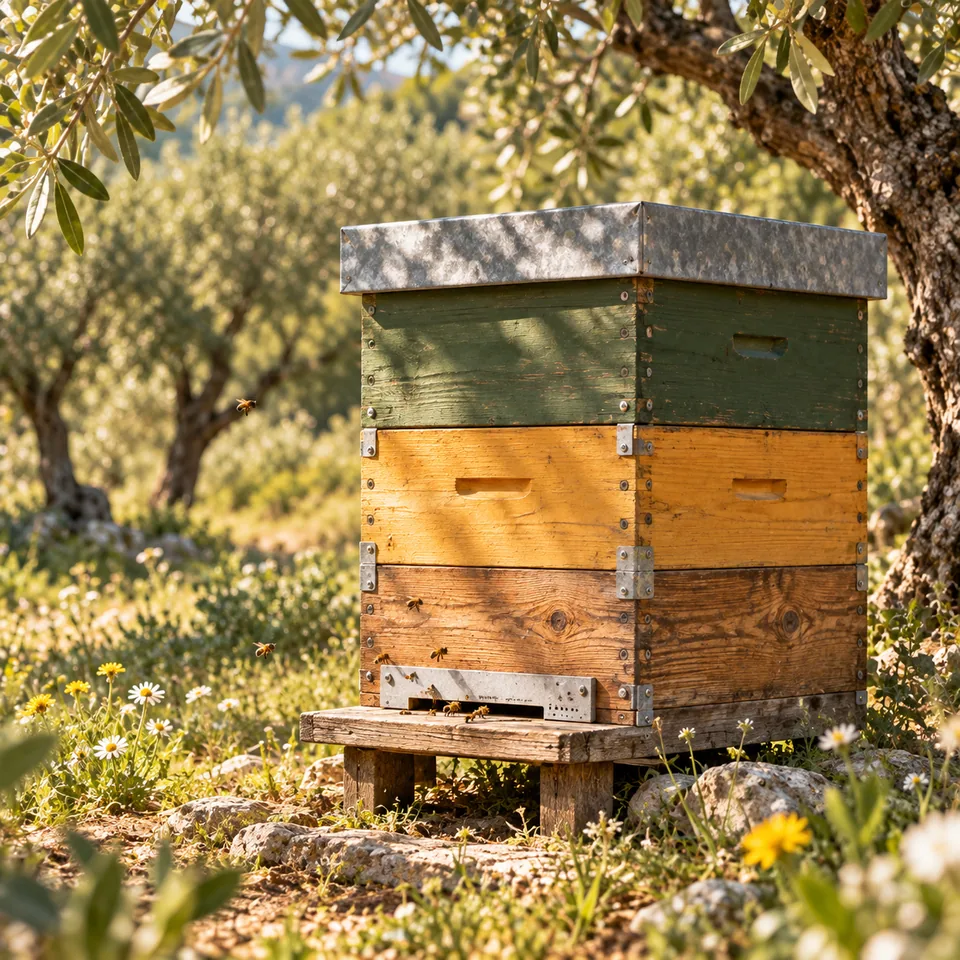
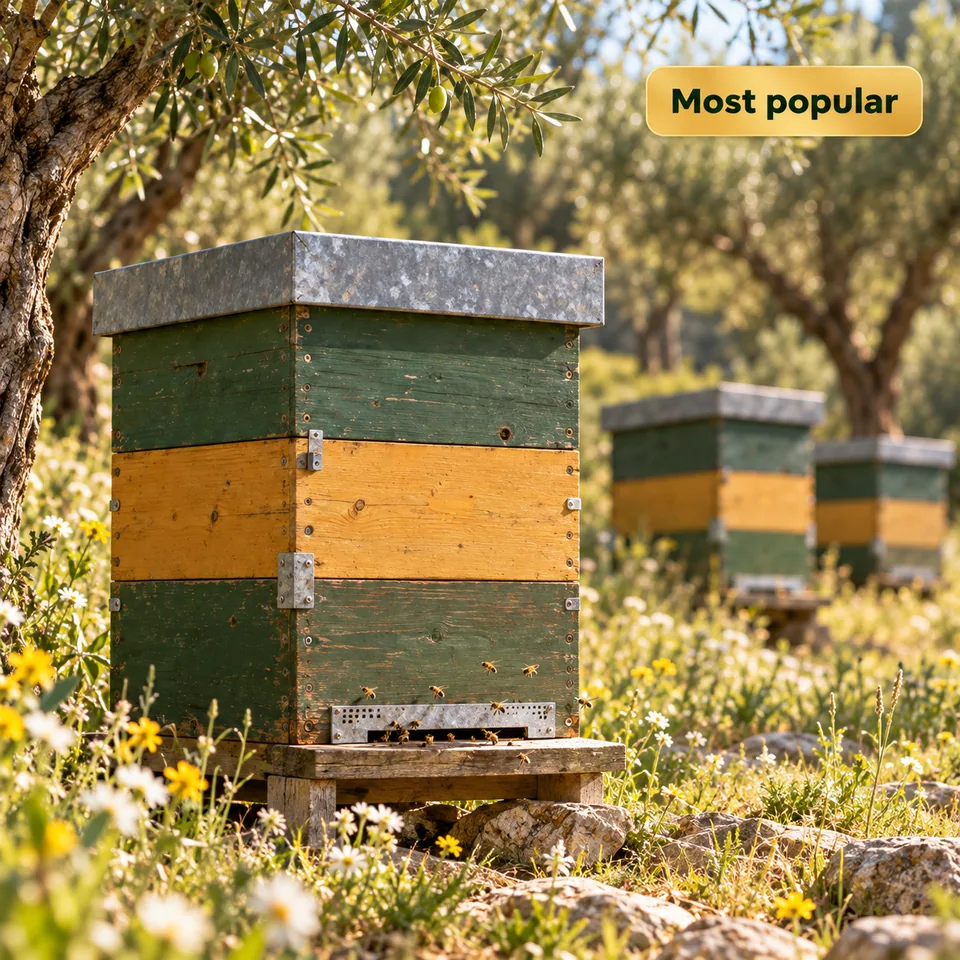
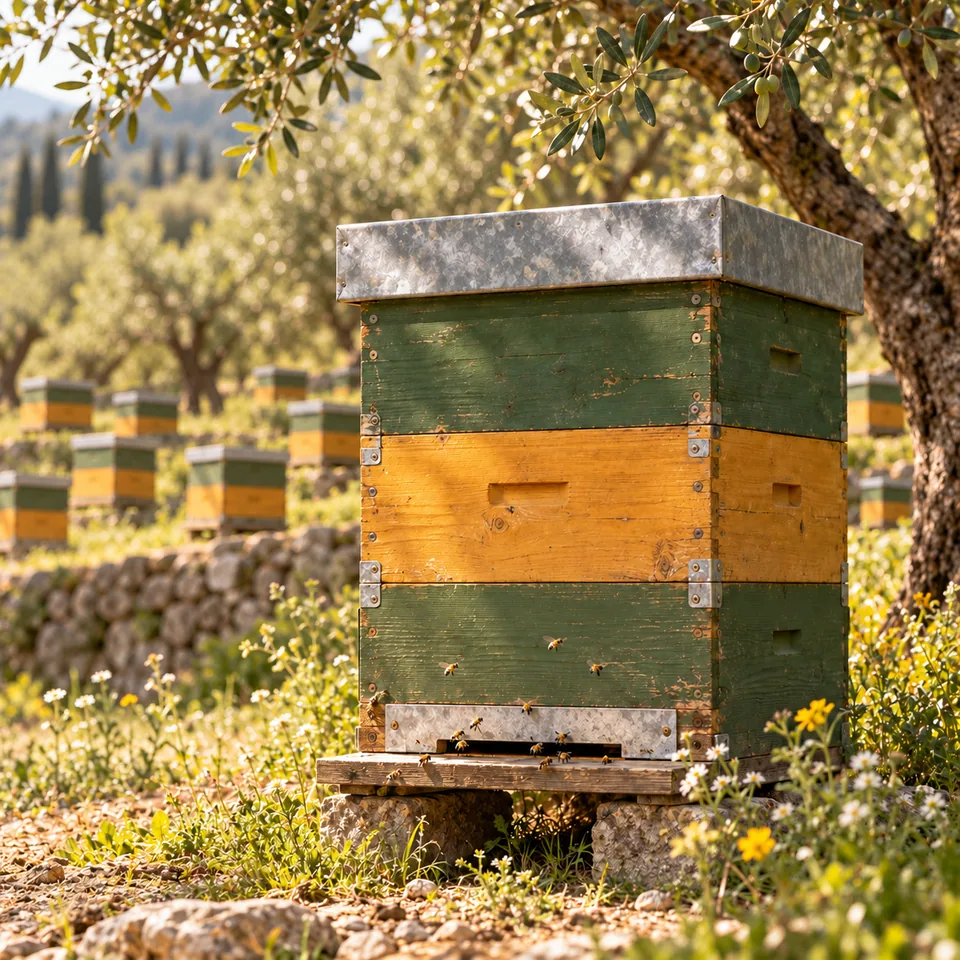
BeePatron adds a connection with a named hive in Tuscany to the honey experience. Explore the current packages if the recipient would enjoy following that story as well as using the honey. Honey comes from the supported apiary according to the selected package, harvest and season. Patronage does not transfer legal ownership.
Check the selected package and current gift details before planning a particular tasting date or variety. You can make the invitation flexible: choose the tea together when the honey arrives, and keep the pairing card as the start of your next shared ritual.
Sources and further reading
Primary and institutional references used to review the factual claims in this guide. Product details and prices are BeePatron information.
Frequently asked questions
What honey is best for tea?
Start with the intensity you enjoy. Try a mild honey in a delicate tea and a more assertive honey in a robust brew. Taste your jar first, because the variety name alone does not determine your favorite pairing.
How much honey should I put in a cup of tea?
Our suggested starting point is 1/2 teaspoon per 8 fl oz, approximately 240 mL. Stir and taste, then adjust in 1/4-teaspoon steps. This is a flavor experiment rather than a recommended dietary amount.
Should I add honey before or after brewing?
For a repeatable comparison, brew the tea first, remove the leaves or bag, then add the measured honey. Taste only when the drink is at a comfortable temperature.
Can I use the same honey in iced tea?
Yes. Dissolve your measured honey in a small warm portion of the tea, then combine it with the rest. Taste the finished drink after chilling and adding ice so you can account for dilution.
Your next chapter starts in Tuscany
Turn your next spoonful into a Tuscany story.
Adopt a named hive at Le Gusciane, follow its seasons in your private Hive Room and receive premium raw Tuscan honey with a personalized label.
Choose your package, then select your hive name in your private Hive Room after adoption.
Your connection to Tuscany
Hive Experience
$129USD
One payment · One full year
- Live apiary camera & your private Hive Room
- Seasonal stories from your beekeeper
- Personalized digital & printed certificates
1.1–4.4 lb of premium raw Tuscan honeyAnnual harvest shipment. Amount depends on the harvest.
Shipping included
Tuscany, shared together
Family Hive Experience
$229USD
One payment · One full year
- Twice the honey range, with Wildflower & Acacia
- Honey recipes & digital Guided Honey Tasting
- Hive Room, live camera, beekeeper stories & certificates
2.2–8.8 lb of premium raw Tuscan honeyAnnual harvest shipment. Amount depends on the harvest.
Shipping included
Your private Tuscan patronage
Private Hive Patron
$599USD
One payment · One full year
- Your personal name plaque at the apiary
- Personal beekeeper updates & live apiary camera
- Personalized certificates, recipes & Guided Honey Tasting
13.2–22 lb of premium raw Tuscan honeyAnnual harvest shipment. Amount depends on the harvest.
Shipping included
Secure payment with Stripe · Shipping included in every package
What happens after I order?
You'll receive your adoption confirmation and access to your private Hive Room, where you can choose your hive name and follow seasonal updates. Your personalized digital certificate is part of the experience.
When does the honey arrive?
Your package includes an annual harvest shipment of premium raw Tuscan honey and a printed certificate. Timing follows the harvest and packing schedule. See shipping details before ordering for a specific date.
Can I give it as a gift?
Yes. Choose “As a gift” above, select a package and add your recipient's name and personal message. You can send the gift email now, schedule it or have it sent to you to present yourself. Honey delivery follows its own shipping schedule.
Continue exploring
Host a honey tasting at home
Turn several jars into a relaxed gathering with a practical hosting plan.
Read nextChoose a honey tasting gift
Check variety, origin and presentation before selecting a set.
Read nextStore your honey well
Keep your everyday jar convenient to use and properly closed.
Read next