
Responsible communications guide
How Companies Can Communicate Beehive Sponsorship Responsibly
A practical framework for accurate ESG, sustainability and impact language—covering evidence, boundaries, wild pollinators, honey provenance and internal approvals.
Quick answer
Describe the sponsorship literally: who operated the apiary, where it was located, what term and recipient experience the company purchased, and which documented outputs were delivered. Do not turn managed-hive patronage into unsupported claims about saving all bees, increasing biodiversity, offsetting emissions or making the company sustainable.
Start with the purchased facts, not the campaign slogan
Before drafting a post or ESG paragraph, assemble the signed proposal, program dates, apiary location, named operator, recipient count and confirmed inclusions. Communications should be built from this record rather than from a visual concept or a supplier's broad marketing language.
A factual description can still be compelling. The company may explain why it selected a Tuscan apiary experience, how recipients participate and what the program teaches about seasonality or provenance. Precision creates trust and gives the story a clear boundary.
- ●Provider and apiary location
- ●Program term and audience
- ●Number or type of patronage experiences purchased
- ●Confirmed certificate, digital and physical inclusions
- ●Source and date of any reported figures
- ●Material limitations stated by the provider
Distinguish managed honeybees from wild pollinators
Europe's pollinators include wild bees, butterflies, hoverflies, moths and other insects. A managed honeybee colony belongs to an agricultural and beekeeping system; it is not a proxy measurement for the abundance or diversity of wild pollinator species.
A company can accurately say it supported a managed apiary or beekeeping experience. It should not say that the program reversed wild-pollinator decline or restored biodiversity unless a project-specific ecological intervention and monitoring method support that exact conclusion.
- ●Accurate: supported a managed beekeeping program
- ●Accurate where documented: connected recipients to apiary and provenance education
- ●Unsupported without evidence: increased regional biodiversity
- ●Unsupported without evidence: saved a quantified number of wild bees
State ownership and honey provenance clearly
Sponsorship or patronage normally does not transfer legal ownership or operational control of a colony. Avoid possessive phrases that imply the company can direct inspections, exclusively access a hive or claim every biological outcome associated with it.
Named-hive symbolism also does not automatically establish colony-exclusive honey. Honey may be harvested and prepared at apiary level. If jars or gifts are included, describe their actual origin and package relationship rather than implying a level of isolation the producer does not claim.
Use a claim ladder from safest to most demanding
Different statements require different evidence. Describing a purchase or recipient experience is relatively straightforward when records exist. Reporting an environmental output requires a defined method. Claiming an ecological outcome or company-wide benefit requires stronger evidence and a clear causal boundary.
Move up the ladder only when the evidence moves with you. A photograph of healthy-looking hives does not establish population trends, biodiversity effects or additionality.
- ●Activity: we purchased a one-year managed-hive patronage program.
- ●Delivery: 50 recipients received the confirmed certificate and access experience.
- ●Output: report only a provider-defined, documented output with its scope and date.
- ●Outcome: use only when monitoring supports a change attributable within the project scope.
- ●Company impact: do not extrapolate one program into a broad sustainability conclusion.
Keep carbon language outside the program unless separately substantiated
Beehive sponsorship is not inherently a carbon credit, removal or offset. Do not assign an emissions value to a hive, jar, certificate or recipient experience without a recognized accounting boundary and project-specific evidence.
The safest approach is to report the sponsorship as its own activity and discuss emissions reductions through the company's established greenhouse-gas accounting process. Avoid phrases such as carbon neutral gift or climate positive hive when they rely only on the presence of bees or nature imagery.
Adapt detail by channel without changing the meaning
A social caption can be shorter than a sustainability report, but it should not become broader. Use the same factual core across the website, internal announcement, recipient card, annual report and sales presentation.
Provide a link or accessible note where readers can understand the provider, location, scope and limitations. Do not hide qualifying information in a channel recipients are unlikely to see.
- ●Recipient card: why the gift was chosen and what happens next
- ●Social post: factual activity, place and audience
- ●Website story: provider context, inclusions and limitations
- ●ESG report: governance, scope, evidence and relationship to wider strategy
- ●Sales material: no environmental benefit added merely to strengthen the pitch
Create one evidence and approval workflow
Nominate an owner for the factual record and an owner for final approval. Procurement confirms the purchased scope, the provider checks program details, sustainability or legal reviewers assess material claims, and communications preserves the approved meaning.
Store the final copy with its evidence and review date. If the program changes, update the statement rather than allowing old numbers or inclusions to continue across templates.
- ●Source each factual statement
- ●Flag claims that require specialist review
- ●Confirm terminology with the provider
- ●Review imagery and captions as claims too
- ●Approve one canonical description
- ●Set an expiry or review date for reusable copy
Examples of stronger corporate language
A strong statement is specific enough to verify and modest enough to remain true. It can express purpose and emotion without inventing an environmental result.
- ●Instead of: We saved the bees. Use: We funded a one-year named-hive experience at a managed Tuscan apiary.
- ●Instead of: Every employee owns a hive. Use: Each recipient received a personal patronage experience connected to the apiary.
- ●Instead of: Our gifts restored biodiversity. Use: The program created an apiary and food-provenance experience; no quantified biodiversity outcome is claimed.
- ●Instead of: Honey from each employee's exact hive. Use: Honey from the supported apiary was included according to the agreed package and harvest conditions.
BeePatron presentation
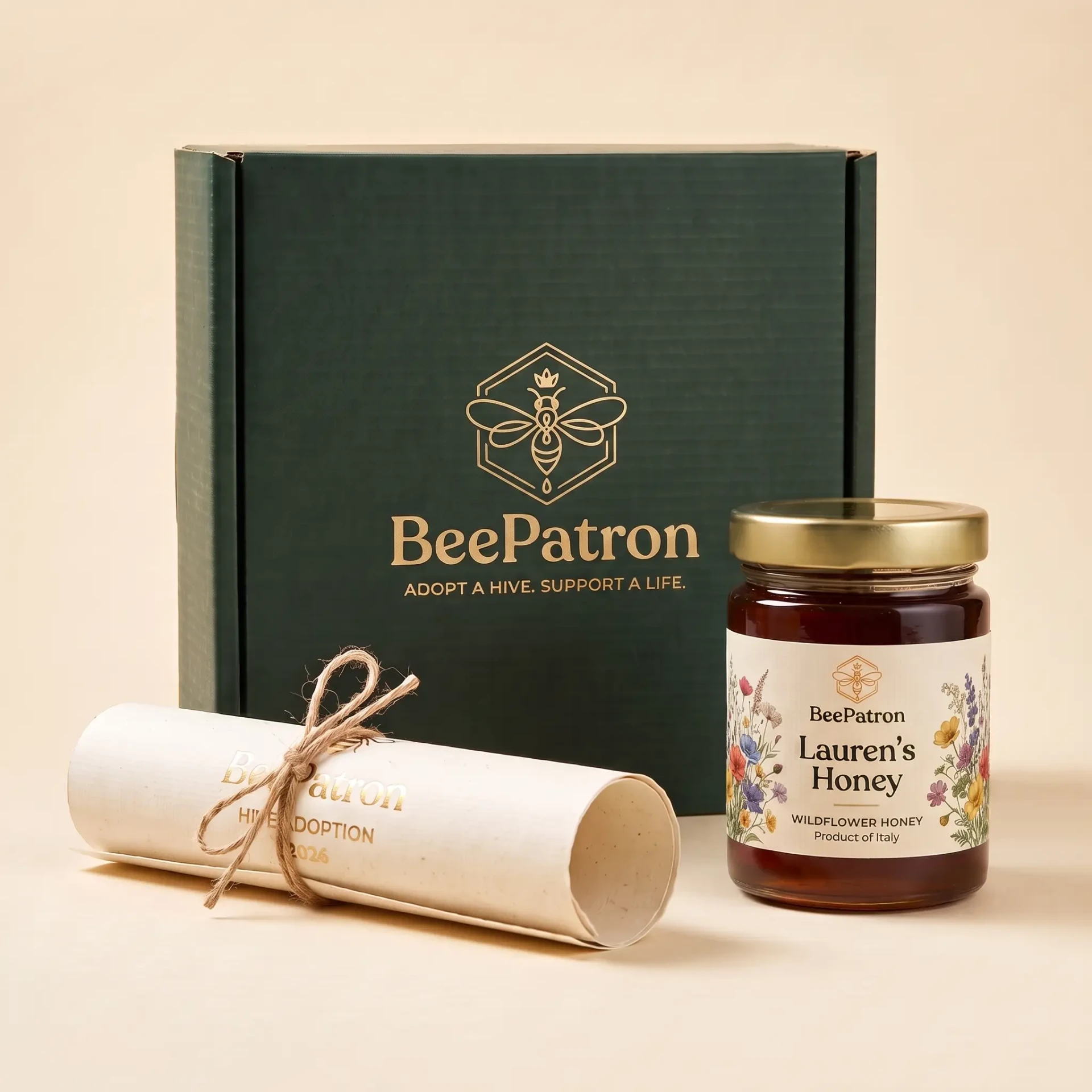
See the BeePatron corporate gift presentation
A considered presentation built around personalized Tuscan honey, a hive adoption certificate and a story recipients can continue following.


Sources and further reading
Primary and institutional references used to review the factual claims in this guide. Product details and prices are BeePatron information.
Frequently asked questions
Can a company say it is saving bees through sponsorship?
That phrase is usually too broad. State that the company supported a managed apiary or beekeeping experience and reserve ecological outcome claims for evidence that directly supports them.
Is beehive sponsorship an ESG initiative?
It can be one clearly described activity within a wider program, but the label ESG does not establish impact. Report its scope, governance and evidence without extrapolating to company-wide performance.
Can sponsorship be called a biodiversity project?
Only when the project includes a defined biodiversity objective, relevant intervention and monitoring. Managed-hive patronage alone does not demonstrate biodiversity improvement.
Can a sponsored hive be described as company-owned?
Not unless the legal agreement actually transfers ownership. Most managed sponsorship programs retain beekeeper ownership and operational control.
Who should approve environmental copy?
Procurement should confirm purchased facts, the provider should verify program details, and qualified sustainability or legal reviewers should assess material claims before communications publishes them.
Build the program and its language from the same facts
Explore BeePatron's defined corporate sponsorship experience, then request a proposal that confirms inclusions, boundaries and recipient journey.
Explore corporate sponsorship