
Seasonal Bee Activity
When Do Bees Come Out? Season, Time & Temperature
Bee activity depends on species, temperature, daylight, flowers and rain. Learn when honey bees, bumblebees and solitary bees are most likely to emerge and forage.
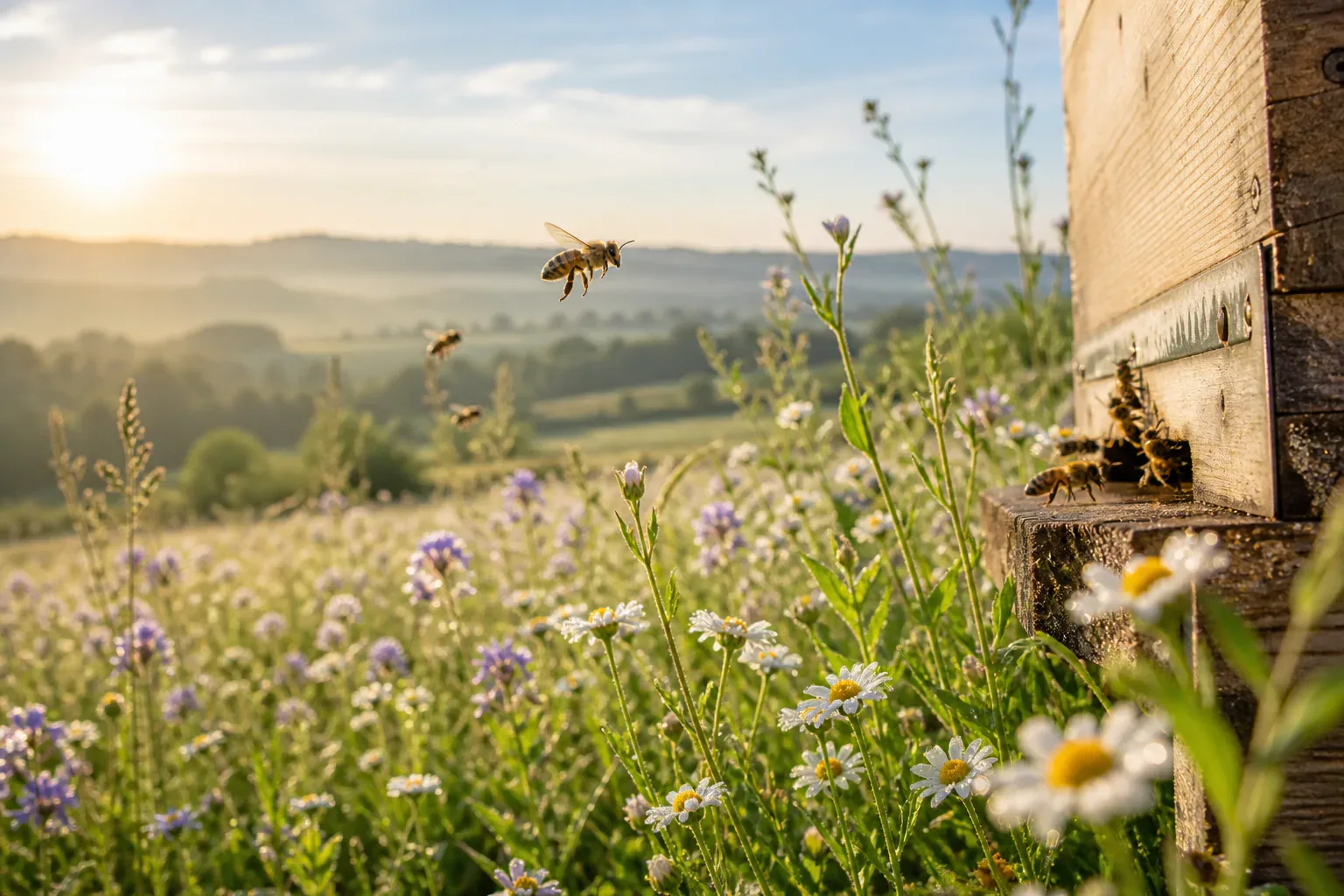
Quick answer
Bees generally become more active when air and body temperatures support flight and flowers provide a worthwhile food source. Honey bee workers can leave a perennial colony on suitable mild days and often forage most heavily from late morning through afternoon, but activity changes with weather and nectar flow. Overwintering bumblebee queens may emerge in late winter or spring, while solitary bee emergence is highly species-specific. Rain, strong wind, cold, extreme heat, pesticide exposure and lack of forage can reduce visible activity even during the expected season.
| Criterion | Typical activity pattern | Why timing varies |
|---|---|---|
| Honey bees | Workers fly from an existing colony on suitable days. | Colony strength, forage, temperature, wind and rain. |
| Bumblebees | Overwintered queens often appear before worker colonies develop. | Species, queen condition, nesting opportunities and early flowers. |
| Solitary bees | Adults emerge for a limited species-specific flight period. | Development stage, accumulated warmth, rainfall and host plants. |
| Time of day | Many bees are easier to see after the morning warms. | Flower opening, nectar secretion, shade and dangerous heat. |
Looking for an educational gift rooted in the real world?
Explore BeePatron’s named Tuscan hives and discover the meaning behind each one.
Explore the HivesThere is no single day when ‘the bees’ come out
Thousands of bee species follow different life cycles. A honey bee colony remains alive through winter in temperate climates, so its workers are waiting inside rather than emerging as a new generation all at once. A bumblebee seen early in spring may be a queen beginning an annual colony. A solitary mining bee may appear for only a few weeks while another species remains underground until summer.
Location changes the calendar too. Elevation, latitude, urban heat, slope, rainfall and local flowers can shift activity by weeks. Use flowering and actual weather as clues, then identify the bee before assigning a seasonal explanation.
How warm does it need to be for bees to fly?
Flight requires warm, functioning muscles, but a single threshold is misleading. Large, furry bumblebees can sometimes forage in cooler conditions than many smaller bees. Honey bees can warm their flight muscles and may take brief flights on mild winter days, while sustained foraging usually becomes more visible as conditions improve.
Sunlight can create warm microclimates even when the general air temperature feels cool. A south-facing wall, sheltered flower bed or dark patch of soil may host activity before an exposed garden nearby. Wind and rain can cancel the benefit of warmth by making flight costly or dangerous.
What time of day are bees most active?
On many fair days, activity grows after the morning warms and continues through the brighter part of the day. But flowers run on their own schedules. Some release nectar or pollen most profitably in the morning; others become rewarding later. Bees track the resource rather than a household clock.
Midday is not always best. During extreme heat, flowers may reduce nectar secretion and bees may shift effort toward water collection or nest cooling. Shade, drought and competition can move foraging into earlier or later windows. Observe the same flowering patch several times before concluding that bees are absent.
A practical seasonal guide
Late winter and early spring can bring overwintered bumblebee queens, early solitary bees and honey bee cleansing or forage flights on mild days. Spring usually expands the number of active species as flowers and nesting opportunities increase. Summer can bring peak abundance but also heat and drought stress. Autumn activity narrows as forage and daylight decline, though late flowers remain important.
The pattern is not a migration schedule. Most bees do not migrate like birds. Honey bee colonies remain associated with their nest unless they swarm or are moved by a beekeeper. Many solitary species complete their adult lives near suitable nesting and forage habitat while the next generation develops in nests.
Why are there no bees on flowers today?
A flowering plant can look attractive to people while offering little accessible nectar or pollen. Double flowers, unsuitable cultivars, depleted blooms or a plant outside its most rewarding time can all reduce visits. Bees may also find a larger, richer patch elsewhere and concentrate there.
Cold, rain, strong wind, extreme heat, pesticide exposure and nest disruption can suppress activity. Avoid diagnosing a local population decline from one quiet hour. Compare several days and times, note weather and flowering, and look across more than one habitat patch.
- ●Check the same flowers in warmer, calmer conditions.
- ●Observe morning, midday and late afternoon.
- ●Compare several plant species rather than one cultivar.
- ●Look for nesting habitat as well as flowers.
- ●Record repeated patterns before drawing conclusions.
How to watch bee activity safely
Watch foraging bees from the side of a flower patch and avoid blocking a hive entrance or nest flight path. Do not open managed hives without the beekeeper. Ground-nesting bees are often docile when foraging, but their nest area should still be left undisturbed.
A simple observation log can record date, time, temperature, cloud, wind, plant and broad bee type. The goal is not perfect identification on day one. Repeated notes reveal how activity responds to conditions and make seasonal change visible without manipulating the insects.
Sources and further reading
Primary and institutional references used to review the factual claims in this guide. Product details and prices are BeePatron information.
Frequently asked questions
What month do bees come out?
It depends on species and location. Some bumblebee queens and solitary bees appear in late winter or spring, while honey bee workers can fly from their existing colony on any suitably mild day.
What temperature do bees become active?
There is no universal threshold. Species, sun, wind, colony condition and flight purpose matter. Activity generally increases as conditions become warm and calm enough for profitable flight.
Are bees active in the morning?
Yes, when temperature and flowers are suitable. Some plants offer their best pollen or nectar in the morning, while cool conditions can delay other bees until later.
Do bees migrate for winter?
Most bees do not migrate like birds. Honey bee colonies usually remain in their hive, and many bumblebees or solitary bees overwinter in sheltered life stages near their habitat.
Follow bee activity through a real apiary season
Explore a named-hive experience connected with changing conditions in Tuscany.
Choose a Hive Give BeePatron as a Gift